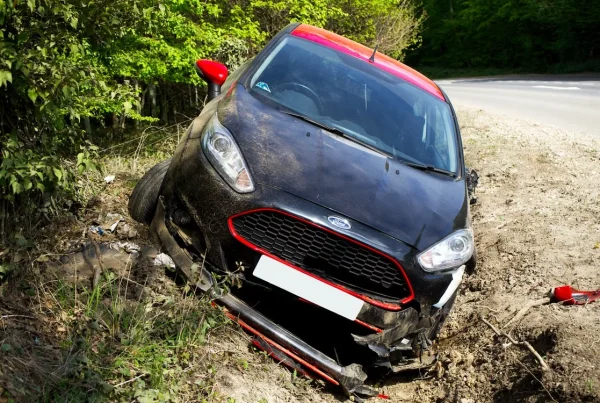
Every business vehicle carries exposure to accidents, liability claims, and operational losses that can threaten cash flow and reputation. Incorporating commercial vehicle insurance provides tailored protection for business fleets and fosters financial stability under the most challenging conditions.
This guide explains what commercial vehicle insurance entails and its coverage options, identifies who needs this specialized policy, outlines legal compliance requirements, explores risk management strategies like driver safety and telematics, and examines cost factors that affect premiums and return on investment. For personalized solutions, visit RI Insurance – Home to explore business auto insurance options that align with your fleet’s risks and budget.
What Is Commercial Vehicle Insurance and How Does It Protect Your Business Fleet?
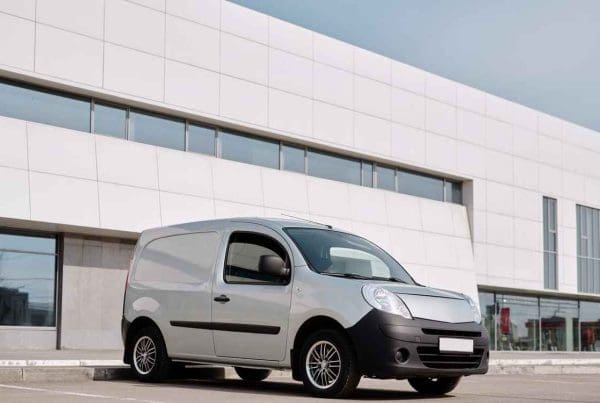
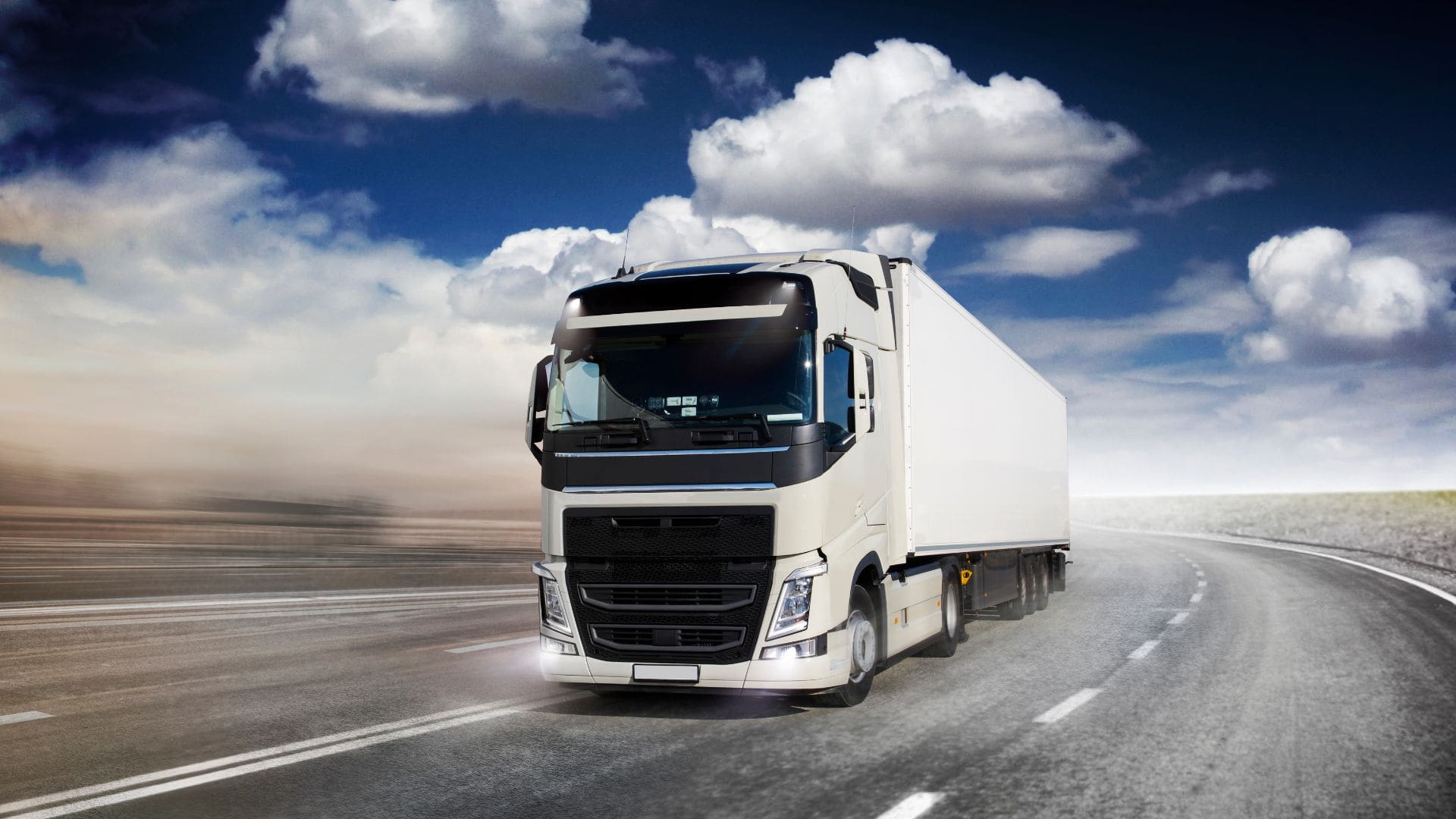
Commercial vehicle insurance is a dedicated policy that covers vehicles used primarily for business operations by offering financial safeguards against accidents, liability claims, and physical damage. By specifying commercial use, this policy ensures that carriers ranging from delivery vans to tractor-trailers have the right coverage limits and risk management features designed for business activity.
What Coverage Types Are Included in Commercial Vehicle Insurance?
The table below outlines common coverage options in a commercial auto policy, detailing their purpose and business benefit.

These coverages work together to shield businesses from a range of losses, setting the stage for how they differ from personal auto insurance.
How Does Commercial Vehicle Insurance Differ from Personal Auto Insurance?
Commercial policies support vehicles when used for business activities, offering higher liability limits, specialized endorsements, and coverage for hired or non-owned vehicles. Personal auto insurance typically excludes business use, caps liability at lower thresholds, and omits features like cargo coverage and leased vehicle protection. These differences ensure businesses maintain adequate financial buffers against the greater risks of commercial operations.
Why Is Financial Protection Critical for Business Fleets?
Adequate coverage prevents sudden out-of-pocket expenses for repair, legal defense, and medical claims, preserving cash flow and credit standing. In the event of a severe accident, a robust commercial auto policy can offset losses that might otherwise lead to operational shutdown or bankruptcy. Effective insurance thus supports business continuity and resilience under challenging circumstances.
Who Needs Commercial Vehicle Insurance for Their Business Vehicles?
Any business that uses vehicles to deliver goods, transport employees, or perform service calls requires commercial vehicle insurance to meet operational and liability demands. This specialized policy aligns coverage limits and risk controls with the scale and nature of fleet activities.
Do Small Businesses Need Commercial Vehicle Insurance?
Yes, even a two-vehicle delivery service benefits from commercial auto policies that offer tailored liability limits, non-owned vehicle coverage, and discounts for bundled business insurance. A small contractor using a pickup for client visits gains protection that personal car policies cannot extend.
When Is Personal Vehicle Insurance Insufficient for Business Use?
Personal auto insurance typically excludes claims arising from business tasks like delivery drops, client transportation, or hauling tools. When any vehicle is flagged as a business asset, personal policies often deny coverage, leaving the owner liable for costs—a risk that commercial vehicle insurance eliminates.
What Are the Benefits of Fleet Insurance for Multiple Business Vehicles?

Fleet insurance consolidates multiple vehicles under a single policy, streamlining billing, standardizing coverage limits, and often providing volume discounts. Administrative burdens decrease as businesses manage renewals, claims, and risk assessments through one contract, enhancing operational efficiency.
What Are the Legal Requirements and Compliance Rules for Commercial Vehicle Insurance?
State and federal regulations mandate minimum coverage for business vehicles to ensure public safety and financial responsibility. Knowing these rules helps businesses avoid costly penalties and maintain uninterrupted operations.
What Are State-Specific Commercial Auto Insurance Laws?
Each state sets minimum liability limits and specialty endorsements for commercial vehicles, ranging from basic bodily injury coverage to cargo and pollution liability in certain jurisdictions. Meeting or exceeding these benchmarks helps businesses stay compliant and competitive.
What Federal Trucking Insurance Requirements Must Businesses Follow?
Federal mandates, enforced by the FMCSA, require motor carriers to maintain specific insurance levels based on vehicle weight and cargo type, including public liability and cargo insurance. Adhering to these rules prevents federal fines and out-of-service orders.
What Are the Consequences of Non-Compliance for Business Fleets?
Operating without required insurance can result in fines, license suspension, and legal judgments that jeopardize assets and reputation. Ensuring full compliance safeguards continuity and protects against severe regulatory and financial penalties.
How Can Risk Management Strategies Enhance Commercial Fleet Protection?

Proactive risk management reduces accident frequency and severity, which in turn lowers insurance costs and improves fleet reliability. Integrating safety programs, maintenance protocols, and telematics creates a comprehensive defense against common fleet perils.
How Do Driver Safety Programs Reduce Fleet Accidents?
Structured training, performance monitoring, and incentive systems promote safe driving habits and reduce collisions. Programs that reinforce seat belt use, speed compliance, and defensive driving correlate directly with lower claim frequencies and insurance premiums.
What Role Does Vehicle Maintenance Play in Risk Management?
Regular inspections, scheduled servicing, and prompt repairs prevent mechanical failures that often lead to accidents. By documenting maintenance history, businesses demonstrate commitment to safety and can negotiate more favorable underwriting terms.
How Does Telematics Technology Improve Fleet Risk Monitoring?
Telematics systems track vehicle location, speed, and driver behavior in real time, enabling managers to identify risky patterns and intervene with coaching or route adjustments. This data-driven approach enhances safety outcomes and can qualify fleets for premium discounts.
What Factors Affect the Cost and Value of Commercial Vehicle Insurance?
Premiums reflect a balance between exposure and coverage quality; understanding these factors helps businesses invest wisely in fleet protection and maximize return on insurance spend.
What Influences Commercial Auto Insurance Premiums?
Key determinants include fleet size, vehicle types, driver histories, annual mileage, coverage limits, and deductibles. Higher safety ratings and robust risk management programs also lower premium rates, reinforcing the value of proactive loss prevention.
How Can Businesses Maximize Savings with Discounts and Bundling?
Combining commercial auto with general liability or property policies often yields multi-policy discounts. Additional savings come from safety certifications, telematics usage, and low-claim histories—each reinforcing a reduction in underwriting risk.
What Is the Return on Investment of Protecting Your Business Fleet?
Investing in comprehensive coverage prevents devastating outlays from accidents, liability claims, and downtime. The ROI manifests in stabilized cash flow, protected assets, uninterrupted operations, and improved reputation—benefits that outweigh insurance costs over time.
A well-structured commercial vehicle insurance strategy transforms fleet exposures into manageable risks and underpins sustainable business growth. Partnering with an experienced broker ensures policies align precisely with operational needs and regulatory demands, delivering lasting protection and peace of mind.