If you use a vehicle for both personal and business purposes, you may wonder whether your personal auto insurance policy provides enough protection. The answer depends largely on how the vehicle is used, who owns it, and what type of business activities it supports. Understanding the difference between Commercial Auto insurance and personal auto insurance can help you choose the right coverage and avoid costly gaps in protection.
While both types of insurance can cover vehicles against accidents, theft, and other risks, they are designed for different situations. A personal auto policy is generally intended for everyday activities such as commuting, shopping, errands, and personal travel. Commercial vehicle coverage, on the other hand, is designed for vehicles used in connection with business operations.
At Brook Insurance Associates LLC, understanding your vehicle use and business needs is an important part of finding appropriate insurance protection. Let’s explore the key differences between commercial and personal auto insurance.
What Is Personal Auto Insurance?
Personal auto insurance is designed for vehicles primarily used for personal activities. It typically covers individuals and families who use their cars for everyday transportation.
Common personal vehicle uses include:
-
Driving to and from work
-
Running personal errands
-
Shopping and appointments
-
Visiting friends and family
-
Personal road trips and vacations
-
Transporting family members
Depending on the policy and state requirements, personal auto insurance may include liability, collision, comprehensive, uninsured or underinsured motorist coverage, and other optional protections.
However, problems can arise when a vehicle insured under a personal policy is regularly used for business purposes. Certain business activities may be excluded or have limited coverage under a standard personal policy.
What Is Commercial Auto Insurance?
Commercial Auto insurance is designed for vehicles used for business-related activities. It can apply to vehicles owned, leased, or sometimes hired by a business, depending on the policy.
Businesses may need commercial vehicle coverage for many different types of vehicles and operations, including:
-
Company cars
-
Pickup trucks
-
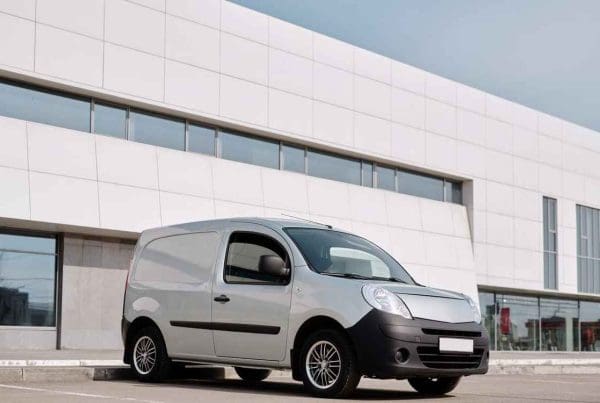
Cargo vans
-
Delivery vehicles
-
Service vehicles
-
Work trucks
-
Vehicles used to transport equipment
-
Vehicles used to visit customer locations
For example, a contractor who drives a work van to job sites may need commercial coverage rather than relying on a personal auto policy. Similarly, a business that has employees driving company vehicles may require insurance structured around its commercial operations.
Commercial policies can also provide liability protection tailored to business risks, which can be significantly different from the risks associated with ordinary personal driving.
Business Auto Insurance vs Personal Insurance: Key Differences
Understanding business auto insurance vs personal insurance becomes easier when you look at how the vehicle is being used.
1. Purpose of Vehicle Use
The biggest difference is how the vehicle is used.
Personal auto insurance is generally intended for personal transportation. Commercial auto insurance is intended for business-related driving.
If you use your vehicle to deliver products, transport business equipment, visit customers, perform services, or conduct other business activities, you may need commercial coverage.
2. Who Owns the Vehicle?
Vehicle ownership can also influence the type of insurance you need.
A personally owned vehicle used strictly for personal activities may generally be insured with a personal auto policy. A vehicle owned or registered by a business may require commercial auto insurance.
However, ownership alone doesn’t determine everything. The actual use of the vehicle and the structure of the business should also be considered.
3. Liability Exposure
Business driving can create greater liability exposure than ordinary personal driving.
For example, imagine an employee driving a company vehicle to a customer’s property. If an accident occurs, the potential claim may involve not only the driver but also the business.
Commercial auto insurance can be structured to address these business-related liability risks.
4. Types of Vehicles Covered
Personal policies commonly cover standard passenger vehicles such as cars, SUVs, and family vehicles.
Commercial policies can accommodate a broader range of vehicles and uses, including vans, trucks, and vehicles equipped for specific business operations.
The appropriate commercial vehicle coverage depends on the vehicle, its purpose, how it is operated, and the risks associated with the business.
5. Employees and Multiple Drivers
Personal auto insurance is generally designed around individual or household drivers.
Businesses, however, may have multiple employees operating vehicles. Commercial policies can be structured with business-related drivers and vehicle use in mind.
If employees regularly drive a vehicle for business purposes, it is important to discuss this use with an insurance professional rather than assuming a personal policy will provide sufficient protection.
When Do You Need Commercial Auto Insurance?
Not every person who occasionally uses a vehicle for work necessarily needs a commercial auto policy. The answer depends on the specific circumstances.
You may need Commercial Auto insurance if your vehicle is regularly used to:
-
Make deliveries for a business
-
Transport customers or clients
-
Carry business equipment or tools
-
Travel between job sites
-
Perform services at customer locations
-
Transport goods for your company
-
Support other regular business operations
Some occupations have particularly obvious commercial vehicle needs. Contractors, landscapers, electricians, plumbers, delivery businesses, caterers, and other service-based companies may frequently rely on vehicles as part of their daily operations.
If you’re unsure whether your vehicle use qualifies, discussing your situation with an insurance professional can help clarify your coverage needs.
Can You Use a Personal Vehicle for Business?
Sometimes, a personal vehicle may be used for limited business activities, but this does not automatically mean your personal policy will cover every business-related situation.
For example, occasionally driving to a meeting may be treated differently from regularly delivering products or transporting equipment for customers.
The important thing is to be honest about how your vehicle is used when purchasing insurance. Failing to disclose regular business use could potentially create coverage issues when you file a claim.
If your vehicle has become an important part of your business operations, reviewing your policy can help determine whether commercial coverage is more appropriate.
What Does Commercial Vehicle Coverage Include?
The exact protection available varies by policy, insurer, vehicle, and business needs. Commercial auto insurance may include several types of coverage, such as:
Liability coverage: Helps protect against claims for bodily injury or property damage caused by an accident for which the insured is responsible.
Collision coverage: Helps pay for damage to a covered vehicle resulting from a collision, subject to the policy’s terms and deductible.
Comprehensive coverage: May help cover certain non-collision losses, such as theft, vandalism, or damage from covered weather-related events.
Uninsured/underinsured motorist coverage: Depending on the policy and applicable requirements, this can provide protection when an accident involves a driver who has insufficient or no insurance.
Medical payments or personal injury protection: Where available, these coverages may help with certain medical expenses following an accident.
Businesses may also need to consider additional coverage depending on what their vehicles transport and how they operate.
Why Choosing the Right Policy Matters
Choosing between personal and commercial insurance isn’t simply about finding the cheapest policy. The goal is to make sure the coverage matches the way the vehicle is actually being used.
A policy that doesn’t adequately address business use could leave you exposed to significant expenses following an accident. On the other hand, purchasing coverage that doesn’t match your actual needs may result in unnecessary costs.
Your business size, vehicle type, number of drivers, driving radius, cargo, and business activities can all influence the appropriate insurance solution.
How Brook Insurance Associates LLC Can Help
Understanding business auto insurance vs personal insurance can be confusing, particularly when a vehicle is used for both personal and business purposes.
Brook Insurance Associates LLC can help you evaluate your circumstances and understand the insurance options available for your vehicle and business. By reviewing how your vehicle is owned and used, you can make a more informed decision about the type and amount of coverage that may be appropriate.
Whether you operate a single work vehicle or manage multiple business vehicles, having the right commercial insurance strategy can provide greater confidence when you’re on the road.
Final Thoughts
The key difference between Commercial Auto and personal auto insurance is how the vehicle is used and the risks involved. If your vehicle is regularly used for deliveries, customer visits, transporting equipment, or other business activities, the right commercial vehicle coverage can help protect your business from unexpected costs.
Not sure which coverage is right for you? Contact Brook Insurance Associates LLC today to discuss your business auto insurance needs and find the right protection for your vehicles.
Frequently Asked Questions
1. What is the main difference between Commercial Auto and personal auto insurance?
The primary difference is vehicle use. Personal auto insurance is designed mainly for personal transportation, while Commercial Auto insurance is designed for vehicles used in business operations.
2. Can I use my personal car for business purposes?
Limited business use may sometimes be covered, depending on the policy. However, regular business activities such as deliveries, transporting equipment, or visiting customers may require commercial coverage. Always check your policy before using your vehicle for business.
3. Is Commercial Auto insurance more expensive than personal insurance?
Commercial auto insurance can cost more because business vehicles may face different or greater risks. Premiums depend on factors such as vehicle type, business use, driving history, location, coverage limits, and the number of drivers.
4. Does Commercial Auto insurance cover employees?
A commercial policy can be structured to cover eligible employees who drive insured business vehicles, subject to the policy’s terms and conditions. Businesses should provide accurate information about who operates their vehicles.
5. Do small businesses need Commercial Auto insurance?
A small business may need Commercial Auto insurance if a vehicle is regularly used for business purposes. The size of the company doesn’t necessarily determine whether commercial coverage is appropriate.