Not every vehicle used by a business needs the same type of insurance. A personal auto policy may cover everyday driving, but it may not provide adequate protection when a vehicle is primarily used for business activities. Understanding which vehicles need commercial auto insurance can help business owners choose appropriate coverage and avoid potential gaps.
Whether you operate a landscaping company, construction business, delivery service, or another company that relies on transportation, the way a vehicle is used can affect its insurance needs. This guide explains common types of business vehicles and when commercial auto insurance may be appropriate.
What is commercial auto insurance?
Commercial auto insurance is designed for vehicles used for business purposes. It can help protect a business against covered losses involving company-owned, leased, or otherwise business-used vehicles, depending on the policy.
Unlike personal auto insurance, commercial coverage is structured around business-related driving and may account for factors such as employees driving vehicles, transporting equipment, visiting customer locations, or making deliveries.
Business owners should review their specific vehicle use and commercial vehicle insurance requirements with an insurance professional before choosing coverage.
Which vehicles need commercial auto insurance?
The type of vehicle alone does not always determine whether commercial coverage is needed. How the vehicle is owned and used is also important. However, several categories commonly call for commercial auto insurance.
1. Company-owned cars used for business
A business may own passenger cars that employees use to visit customers, travel between work locations, attend meetings, or perform other work-related tasks.
For example, a real estate company may provide vehicles for agents to visit properties and clients. Similarly, a sales company may have employees regularly traveling to customer locations.
Because these vehicles are connected to business operations, commercial coverage may be more appropriate than relying solely on a personal policy.
2. Pickup trucks used for work
Pickup trucks are common business vehicles for contractors, landscapers, electricians, plumbers, and other service professionals.
A pickup used to transport tools, materials, equipment, or employees to job sites may have different insurance needs from a truck used only for personal transportation.
For instance, a landscaping company may use several pickups to carry lawn equipment and supplies between customer properties. Commercial auto insurance can help address the risks associated with this type of business use.
3. Vans used for business operations
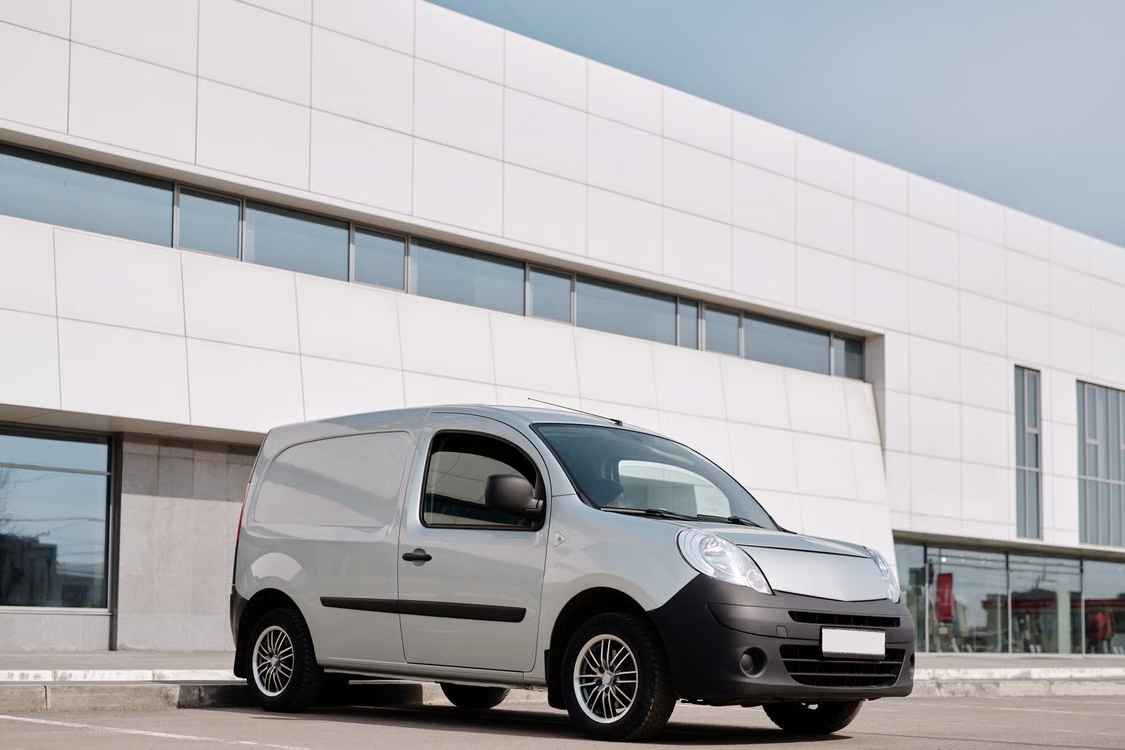
Cargo vans and passenger vans are widely used by businesses. Contractors may use cargo vans to transport tools, while delivery companies may use them to move products.
A business may also use passenger vans to transport employees or customers. Because the vehicle is being used as part of the company’s operations, commercial insurance may be necessary depending on the circumstances and policy requirements.
4. Delivery vehicles
Businesses that deliver food, merchandise, supplies, or other products may need commercial auto coverage for the vehicles involved.
Delivery driving typically involves frequent trips, customer interactions, and transporting business property. These factors can create exposures that differ from ordinary personal driving.
If a business relies on vehicles to complete deliveries, owners should discuss their operations with an insurance professional to determine appropriate coverage.
5. Construction and contractor vehicles
Construction companies and contractors often rely heavily on transportation. Vehicles may carry workers, tools, building materials, and specialized equipment.
Examples include pickup trucks, vans, and certain heavier vehicles used to reach construction sites. When vehicles are regularly used for these business activities, commercial auto insurance may be an important part of the company’s risk-management strategy.
6. Vehicles used by multiple employees
A vehicle driven by several employees can present different insurance considerations than a privately owned vehicle driven primarily by one person.
For example, a plumbing company might have several technicians sharing company vehicles. Employees may use those vehicles to travel between the office, suppliers, and customer locations.
Businesses should make sure their policy accurately reflects who drives the vehicles and how they are used.
7. Specialized commercial vehicles
Some businesses use vehicles designed or modified for specific operations. Examples may include service trucks, utility vehicles, box trucks, or other specialized vehicles.
These vehicles may carry business equipment or perform specific commercial functions. Their size, purpose, and use can influence the type and amount of insurance a business needs.
Does using a personal vehicle for work require commercial insurance?
Not necessarily in every situation. An employee occasionally using a personal vehicle for a work-related trip is different from a business owner or employee regularly using a personal vehicle as part of the company’s operations.
For example, driving to a meeting may have different insurance considerations than regularly delivering products or transporting business equipment.
If a personal vehicle is frequently used for business, it is important to disclose that use to the insurance provider. Failing to accurately describe vehicle use could create coverage concerns if an accident occurs.
Business owners who also need coverage for their personal vehicles can explore personal auto insurance separately.
Commercial vs. personal auto insurance
The key difference is generally the purpose and circumstances of vehicle use.
Personal auto insurance is primarily designed around personal driving. Commercial auto insurance is intended for vehicles used in connection with business operations.
Consider a contractor who owns a pickup truck. If the truck is mainly used for personal errands, the insurance considerations may differ from a truck regularly used to transport tools and materials to customer job sites.
The right choice depends on factors such as ownership, vehicle type, drivers, business activities, and how frequently the vehicle is used for work.
How to determine your business’s vehicle insurance needs
Start by making a list of every vehicle connected to your business. Then consider:
-
Who owns or leases each vehicle?
-
Who regularly drives it?
-
Is it used to visit customers or job sites?
-
Does it transport tools, equipment, employees, or products?
-
Is it used for deliveries?
-
How frequently is it driven for business?
-
Are multiple employees authorized to drive it?
These questions can help identify potential commercial vehicle insurance requirements.
If you’re unsure whether your business vehicles require commercial coverage, speaking with an insurance professional is a practical next step. You can also contact RI Insurance to discuss your business’s specific situation.
For businesses with vehicles used to transport goods, employees, or equipment, commercial coverage may be an important part of protecting daily operations. You can learn more about business auto insurance and how it may fit your company’s needs.
For additional guidance, see our related resource on when you need commercial auto insurance.
Final Thoughts
Understanding vehicles that need commercial auto insurance starts with looking beyond the vehicle itself. Ownership, drivers, frequency of use, and the type of business activity all matter.
If your company relies on cars, trucks, vans, or specialized vehicles to serve customers and operate efficiently, reviewing your commercial auto insurance needs can help you identify potential coverage gaps and make more informed decisions.
Frequently Asked Questions
What vehicles need commercial auto insurance?
Vehicles used primarily for business activities may need commercial auto insurance. Common examples include company cars, pickup trucks, cargo vans, delivery vehicles, service trucks, and other vehicles used for business operations.
Can I use personal auto insurance for a business vehicle?
A personal policy may not be appropriate for a vehicle primarily used for business. Coverage depends on the policy terms and how the vehicle is used, so business owners should discuss their specific situation with their insurance provider.
Does a pickup truck used for work need commercial insurance?
It may. A pickup regularly used to transport tools, materials, equipment, or employees for business purposes may require commercial coverage. The appropriate policy depends on the vehicle and its use.
Do delivery vehicles need commercial auto insurance?
Businesses that use vehicles for regular deliveries may need commercial auto insurance. Delivery activities can create different risks from ordinary personal driving, making it important to discuss the vehicle’s use with an insurance professional.
What if employees drive company vehicles?
If employees regularly drive company-owned vehicles, the business should ensure its insurance policy accurately reflects the drivers and vehicle use. Commercial auto insurance can be designed for business vehicles operated by authorized employees, subject to policy terms.