If your business owns, leases, or regularly uses vehicles for work, you may need more than a standard personal auto policy. Commercial Auto Insurance is designed to protect businesses when vehicles are used for business-related activities, helping cover potential costs associated with accidents, property damage, injuries, and other covered losses.
Many business owners assume that their personal auto insurance will cover any vehicle they drive for work. However, personal policies can have limitations when a vehicle is used for business purposes. Understanding when commercial coverage is necessary can help you avoid unexpected expenses and potential commercial insurance exclusions.
So, how do you know whether your business needs commercial auto coverage? Here are 10 important signs to consider.
What Is Commercial Auto Insurance?
Commercial Auto Insurance is coverage designed for vehicles used primarily in connection with business operations. Depending on the policy and insurer, it may apply to company-owned vehicles, leased vehicles, or certain vehicles used by employees for business purposes.
Coverage can vary, but a commercial auto policy may include liability protection for accidents involving a business vehicle, as well as coverage for physical damage to covered vehicles. Additional coverage options may be available depending on your business, vehicle type, and how the vehicle is used.
If a vehicle is an important part of your daily operations, choosing the appropriate coverage can help protect both your business and its financial interests.
10 Signs Your Business Needs Commercial Auto Insurance
1. Your Business Owns a Vehicle
One of the clearest signs that you should explore Commercial Auto Insurance is if your business owns one or more vehicles.
Whether you operate a single company car, a delivery van, a pickup truck, or an entire fleet, the vehicle may require coverage appropriate for business use. Business-owned vehicles are generally different from vehicles used strictly for personal transportation.
For example, a landscaping company may own a pickup truck used to transport employees, equipment, and supplies to customer properties. Because the vehicle plays a direct role in business operations, commercial coverage may be more appropriate than a personal auto policy.
2. Employees Drive Vehicles for Work
Does your business allow employees to drive vehicles while performing their jobs? If so, you should evaluate your auto insurance needs carefully.
Employees may drive to customer locations, job sites, meetings, suppliers, or other business destinations. An accident during one of these trips could create financial and liability concerns for the business.
Commercial Auto Insurance can be structured to address business-related vehicle use, subject to the specific policy terms, drivers, vehicles, and coverage limits.
3. You Transport Customers, Clients, or Employees
Businesses that regularly transport people may have additional insurance considerations.
For example, a company may use a vehicle to transport customers to appointments, employees between locations, or clients to events. The risk associated with transporting people for business purposes can differ from ordinary personal driving.
If transporting people is part of your business operations, speak with an insurance professional about whether commercial auto coverage and any additional coverage are appropriate for your situation.
4. You Deliver Products or Materials
If your business makes deliveries, your vehicles are directly connected to your revenue-generating activities.
Restaurants, retailers, wholesalers, florists, contractors, and other businesses may use vehicles to transport products, equipment, or materials. Regular delivery activity can make commercial coverage an important consideration.
A personal auto policy may not provide the level of protection you expect when a vehicle is being used extensively for business purposes. Reviewing your policy before relying on it for deliveries can help you identify potential gaps.
5. Your Vehicle Has Business Branding
A company logo, phone number, website address, or other business branding on a vehicle can indicate that the vehicle is being used for commercial purposes.
While vehicle graphics alone do not automatically determine the type of insurance you need, they are a useful reminder to review your coverage.
A branded vehicle often serves as a mobile advertisement for your company. It may also be regularly driven to customer locations or job sites, increasing its connection to your business activities.
6. You Frequently Visit Job Sites or Customer Locations
Contractors and service-based businesses often spend much of their working day on the road.
If employees or owners regularly drive to construction sites, homes, offices, warehouses, or customer properties, the vehicle is serving an important business function.
Plumbers, electricians, HVAC technicians, cleaners, landscapers, repair professionals, and other service providers may rely heavily on vehicles to reach customers and transport tools or equipment.
If driving is an essential part of completing your work, it is worth discussing commercial auto coverage with an insurance professional.
7. You Transport Tools, Equipment, or Business Property
Your vehicle may carry more than people. It may also transport expensive tools, machinery, inventory, or other business property.
For example, a contractor could have thousands of dollars in tools inside a work van. An accident, theft, or another covered event could potentially create a significant financial loss.
Commercial auto coverage can sometimes be combined with other business insurance policies to address different types of risks. However, coverage for equipment or property depends on the specific policy, so it is important to understand what is and is not covered.
8. You Use Your Personal Vehicle Extensively for Business
Owning a vehicle personally does not necessarily mean that a personal auto policy will cover every type of business use.
If you regularly use your own vehicle to meet clients, make deliveries, transport business equipment, or perform other work-related activities, you should review your insurance arrangements.
The distinction between personal use commercial vehicle arrangements and ordinary personal vehicle use can be particularly important. Simply assuming that occasional or frequent business driving is covered could leave you exposed to an unexpected coverage issue.
Talk to your insurance professional about how your vehicle is actually being used rather than relying on assumptions about your policy.
9. Your Business Has Multiple Vehicles
Managing several vehicles creates additional risks and administrative considerations.
If your company has vans, trucks, cars, or other vehicles assigned to employees, a commercial auto policy may provide a more appropriate way to manage business vehicle coverage.
Fleet-related insurance needs can depend on the number and types of vehicles, who drives them, where they operate, and what they transport. Your insurer can help determine suitable coverage and limits based on your operations.
10. You Are Unsure Whether Your Personal Policy Covers Business Use
Perhaps the biggest warning sign is simply uncertainty.
If you are asking, “Does my personal auto insurance cover my business driving?” it is time to review your policy.
Insurance policies contain specific definitions, conditions, limitations, and exclusions. Some policies may restrict coverage when a vehicle is being used for certain business activities. These commercial insurance exclusions can become especially important after an accident.
Instead of waiting until you need to file a claim, review your policy in advance and explain exactly how your vehicle is used. This allows an insurance professional to identify potential gaps and discuss appropriate coverage options.
Why the Right Coverage Matters
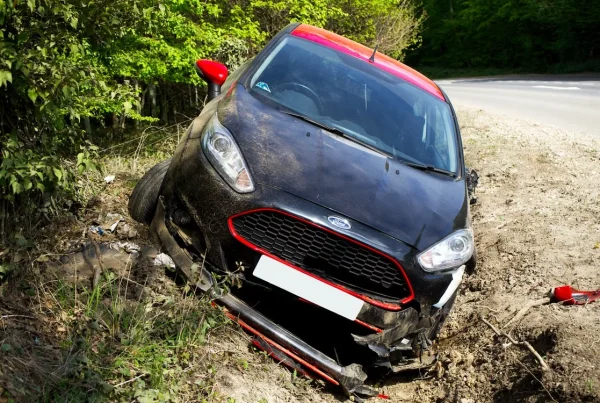
Using the wrong type of auto insurance can expose a business to significant financial risks. A serious accident can result in vehicle damage, medical expenses, property damage, legal costs, and other losses.
Commercial Auto Insurance is not simply about protecting a vehicle. Depending on the policy, it can help protect the business from certain liabilities associated with covered business vehicle use.
The right coverage can also provide greater confidence when employees are driving company vehicles or when vehicles are essential to daily operations.
However, every business is different. Coverage requirements can vary based on the vehicle, business structure, location, drivers, and type of work being performed.
Common Commercial Insurance Exclusions to Understand
Before purchasing any insurance policy, it is important to understand what it does not cover.
Commercial insurance exclusions can vary by policy and insurer. Certain drivers, vehicles, uses, locations, or types of losses may be excluded or subject to specific limitations.
For example, a policy may have restrictions involving unauthorized drivers, particular vehicle uses, intentional damage, or other circumstances.
Reading the policy carefully and asking questions about exclusions can help you understand your actual protection. Never assume that a particular loss is covered simply because the vehicle has commercial insurance.
How to Determine the Coverage Your Business Needs
Start by making a list of every vehicle used by your business and how each one is used.
Consider:
-
Who owns or leases each vehicle?
-
Who regularly drives it?
-
Is it used for deliveries?
-
Does it transport employees or customers?
-
Does it carry tools, equipment, or inventory?
-
How frequently is it used for business?
-
Does it travel between job sites?
-
Is the vehicle used for both business and personal purposes?
Once you have this information, an insurance professional can help you evaluate your risks and identify suitable coverage options.
Working with an experienced agency such as Brook Insurance Associates LLC can make the process easier by helping you understand your commercial auto insurance options and how they relate to your business operations.
Protect Your Business Before an Accident Happens
Waiting until after an accident to discover a coverage gap can be costly. If vehicles are part of your business operations, taking time to review your insurance now can help you make more informed decisions.
Whether your company owns one work van or operates a larger fleet, the key is to match your insurance coverage with the way your vehicles are actually used.
If your business owns vehicles, employees drive for work, you make deliveries, transport equipment, visit job sites, or regularly use a personal vehicle for business activities, Commercial Auto Insurance may be worth exploring.
Final Thoughts
If your business uses vehicles for work, Commercial Auto Insurance can help protect against covered vehicle-related risks and potential financial losses. Understanding your coverage and commercial insurance exclusions is essential to protecting your business on the road.
For personalized guidance, Brook Insurance Associates LLC can help you find coverage that fits your business needs. Contact us today to discuss your commercial auto insurance option.
Frequently Asked Questions
1. What is Commercial Auto Insurance?
Commercial Auto Insurance is coverage designed for vehicles used in connection with business activities. Depending on the policy, it may provide liability and physical damage coverage for eligible business vehicles.
2. Can I use my personal auto insurance for business purposes?
It depends on your policy and the type and frequency of business use. Some business activities may not be covered under a personal policy. If you regularly use a vehicle for work, discuss the usage with your insurance professional.
3. What is a personal use commercial vehicle?
A personal use commercial vehicle generally refers to a business-associated vehicle that may also be used for personal purposes. Whether personal use is permitted and how it affects coverage depends on the specific commercial policy.
4. Does Commercial Auto Insurance cover employees driving company vehicles?
A commercial policy may cover employees who drive covered vehicles, but driver eligibility and policy conditions vary. Businesses should identify regular drivers and discuss their roles with their insurer.
5. Why should I worry about commercial insurance exclusions?
Commercial insurance exclusions identify situations or losses that a policy does not cover or may limit. Understanding these exclusions before purchasing coverage can help prevent surprises when you need to file a claim.