If your business uses vehicles to transport people, deliver products, visit job sites, carry equipment, or meet customers, a personal auto insurance policy may not provide the protection you need. Commercial auto insurance coverage is designed specifically for vehicles used for business purposes, helping protect your company from financial losses related to accidents, vehicle damage, injuries, and other covered incidents.
But what does commercial auto insurance cover, exactly? The answer depends on the policy, the vehicles involved, how they are used, and the coverage limits selected. Understanding these details can help business owners choose appropriate protection without paying for unnecessary coverage.
This guide explains how commercial auto insurance works, what it typically covers, who needs it, and what to consider when choosing a policy.
What Is Commercial Auto Insurance?
Commercial auto insurance is an insurance policy designed to protect vehicles used for business activities. It can cover cars, pickup trucks, vans, box trucks, and other vehicles that a company owns, leases, rents, or uses for business operations, depending on the policy.
Unlike personal auto insurance, which is generally intended for everyday personal driving, commercial policies account for the increased risks associated with business vehicle use.
For example, a landscaping company may use pickup trucks to transport workers and equipment, while a delivery company may rely on vans to transport customer orders. A contractor might drive between multiple job sites with tools and materials. Each situation creates business-related risks that may require commercial coverage.
Business vehicle insurance can help protect both the vehicle and the company from covered losses resulting from accidents and other incidents.
What Does Commercial Auto Insurance Cover?
The exact protection varies between insurers and policies, but commercial auto insurance coverage commonly includes several important types of protection.
1. Liability Coverage
Liability coverage is one of the most important components of a commercial auto policy. It can help pay for bodily injury or property damage that your business vehicle causes to another person or their property in a covered accident.
For example, suppose an employee driving a company van accidentally rear-ends another vehicle. The other driver suffers injuries and their vehicle is damaged. If the accident is covered, liability insurance may help pay for eligible medical expenses, property damage, and legal costs, subject to the policy’s terms and limits.
Because a serious accident can result in substantial claims, businesses should carefully consider whether their liability limits provide adequate protection.
2. Collision Coverage
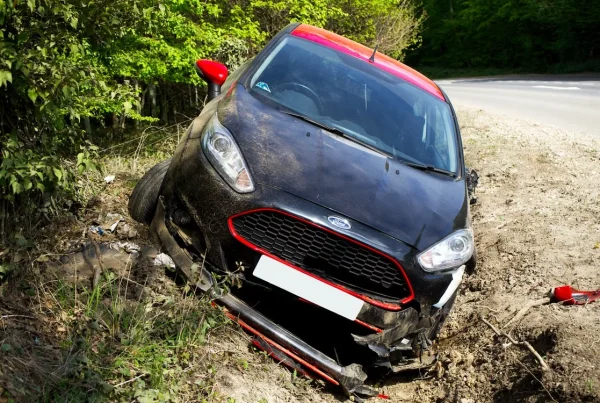
Collision coverage can help pay to repair or replace a covered business vehicle after damage caused by a collision.
This could include accidents involving:
-
Another vehicle
-
A stationary object
-
A building or structure
-
A road barrier
-
Another object
For instance, if a company-owned pickup truck is damaged after colliding with a guardrail, collision coverage may help with the vehicle’s repair costs after the applicable deductible.
Collision coverage generally focuses on damage to your vehicle rather than damage you cause to someone else’s property.
3. Comprehensive Coverage
Comprehensive coverage can protect a business vehicle against certain types of damage that are not caused by a collision.
Depending on the policy, covered situations may include:
-
Theft
-
Vandalism
-
Fire
-
Falling objects
-
Severe weather
-
Animal-related damage
Consider a company van that is damaged by hail while parked overnight. If the policy includes comprehensive coverage and the loss is covered, the insurer may help pay for repairs after the deductible.
Comprehensive and collision coverage are particularly important for businesses that depend heavily on their vehicles to operate.
4. Uninsured and Underinsured Motorist Coverage
Not every driver on the road carries sufficient insurance. Uninsured and underinsured motorist coverage can provide protection when your business vehicle is involved in an accident with a driver who has no insurance or does not have enough insurance to cover the damages.
Coverage availability and requirements vary by state and policy.
For businesses with employees regularly driving company vehicles, this coverage can be an important consideration because an accident involving an inadequately insured driver can otherwise create significant financial exposure.
5. Medical Payments or Personal Injury Protection
Depending on the state and policy, commercial auto insurance may include medical payments coverage or personal injury protection (PIP).
These coverages can help with certain medical expenses resulting from a covered auto accident. PIP may also provide additional benefits, depending on applicable state laws and policy terms.
Because insurance requirements differ between states, business owners should understand which coverages are required and which are optional where their vehicles are registered and operated.
6. Hired and Non-Owned Auto Coverage
What if your business does not own every vehicle used for work?
Hired and non-owned auto coverage may provide protection for certain business-related uses of vehicles your company does not own.
Hired auto coverage can apply to vehicles rented or leased for business purposes, subject to the policy.
Non-owned auto coverage can address certain situations where employees use their personal vehicles for company business.
For example, an employee may use their personal car to visit a client or make a business-related delivery. Depending on the policy, non-owned coverage may provide liability protection for the business.
This coverage does not necessarily replace the employee’s personal auto insurance and may not cover physical damage to the employee’s vehicle.
7. Coverage for Specialized Business Vehicles
Some businesses require more than a standard commercial vehicle policy. Depending on the industry and vehicle type, additional coverage options may be available.
Examples include:
-
Trucks and trailers
-
Service vehicles
-
Delivery vans
-
Construction vehicles
-
Food trucks
-
Passenger transportation vehicles
-
Vehicles carrying specialized equipment
A business should make sure its policy accurately reflects how each vehicle is used. Misrepresenting vehicle use, drivers, or business operations could create coverage problems when a claim occurs.
Who Needs Commercial Auto Insurance?
A business may need commercial auto insurance when vehicles are regularly used for business operations or when the business owns vehicles.
Common examples include:
Contractors
Electricians, plumbers, HVAC professionals, builders, and other contractors often travel to job sites with tools, materials, and equipment.
Delivery Businesses
Restaurants, retailers, wholesalers, and delivery companies may rely on vans, cars, or trucks to transport products.
Landscaping and Maintenance Companies
These businesses frequently use trucks and other vehicles to transport employees, equipment, and supplies.
Sales and Service Businesses
Employees who travel regularly to customers or locations for work may create business-use exposures that need appropriate insurance.
Transportation Businesses
Companies transporting passengers or goods may require specialized commercial policies based on their operations and vehicle types.
Ultimately, the question isn’t simply whether a vehicle has a company logo on it. How the vehicle is owned, who drives it, what it carries, and how it is used can all influence the type of insurance needed.
How Does Commercial Auto Insurance Work?
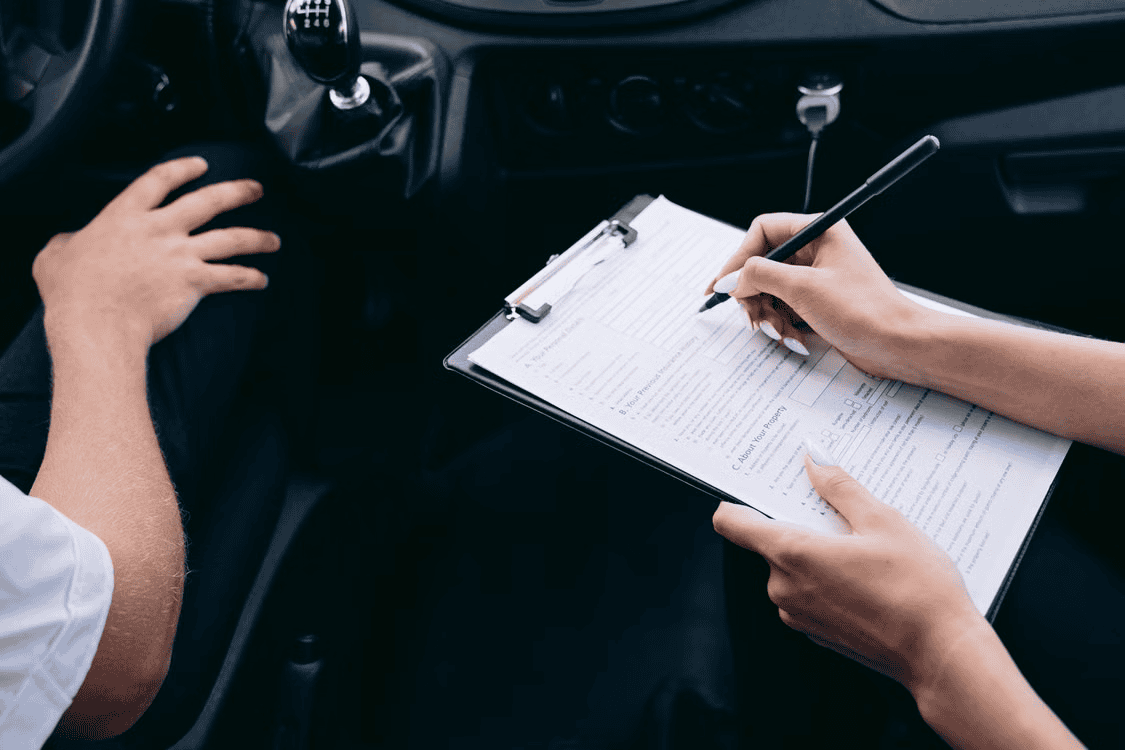
The process generally begins with the business providing information about its vehicles, drivers, operations, and expected usage. The insurer uses this information to evaluate risk and determine premiums and coverage options.
When a covered accident occurs, the business typically reports the claim to the insurer. The insurer then investigates the incident and determines what losses are covered under the policy.
For example:
Accident occurs → Claim is reported → Insurer investigates → Coverage is confirmed → Covered damages are handled according to policy terms
The deductible, coverage limits, exclusions, and other policy conditions can affect how much the insurer pays.
Factors That Affect Commercial Auto Insurance Costs
There is no single price for business vehicle insurance. Premiums can vary significantly depending on the business and its operations.
Common pricing factors include:
-
Number of vehicles
-
Types and values of vehicles
-
Vehicle usage
-
Driving radius
-
Employee driving records
-
Number and experience of drivers
-
Claims history
-
Type of business
-
Coverage limits
-
Deductibles
-
Location
-
Cargo or equipment transported
A company that operates several heavy vehicles over long distances may face different insurance costs than a small business using one vehicle for occasional local appointments.
What Is Usually Not Covered?
Understanding exclusions is just as important as understanding covered losses.
Commercial auto policies may exclude or limit certain situations, such as intentional damage, certain types of vehicle use, personal belongings, mechanical breakdowns, or losses outside the scope of the policy.
For example, comprehensive coverage generally isn’t designed to pay for routine wear and tear or normal mechanical deterioration.
Policies also have specific conditions and exclusions. That’s why business owners should review the actual policy documents rather than assuming every business-related vehicle expense is covered.
How to Choose the Right Commercial Auto Coverage
Choosing a policy starts with understanding your actual business operations.
Ask yourself:
-
How many vehicles does the business own or use?
-
Who will drive them?
-
How frequently are they used?
-
How far do they typically travel?
-
What do they transport?
-
Are employees using personal vehicles for business purposes?
-
Would the business struggle financially if a vehicle were unavailable?
-
What liability limits are appropriate for the business?
It’s also worth reviewing coverage whenever the business adds vehicles, hires new drivers, changes its service area, or expands operations.
Working with an experienced insurance professional can help identify potential gaps and determine which coverage options make sense for your business.
Final Thoughts
So, what does commercial auto insurance cover? It can help protect your business from covered vehicle liability, collision damage, theft, uninsured drivers, and other risks, depending on your policy.
The right commercial auto insurance coverage can protect your vehicles, finances, employees, and business operations when accidents happen. Contact us today to discuss your business vehicle insurance needs and find coverage that fits your business.
Frequently Asked Questions
1. What does commercial auto insurance cover?
Commercial auto insurance can cover business-related vehicle liability and, depending on the policy, physical damage, theft, vandalism, uninsured motorists, medical expenses, and other covered risks.
2. Is commercial auto insurance required?
Requirements vary by state, vehicle type, business activity, and other factors. Certain businesses and vehicles may be required to carry specific minimum insurance limits.
3. Can I use personal auto insurance for business?
Sometimes limited business use may be permitted under a personal policy, but regular or substantial business use may require commercial coverage. Check with your insurer before using a personal vehicle for business activities.
4. Does commercial auto insurance cover employee drivers?
A commercial policy can generally cover authorized drivers, but the business must properly disclose drivers and follow the policy’s requirements. Driver eligibility and coverage can vary by insurer.
5. Does commercial auto insurance cover a personal vehicle used for work?
Not automatically. Non-owned auto coverage may provide certain liability protection when an employee uses a personal vehicle for business, but the employee’s personal policy may also apply. Coverage depends on the circumstances and policy language.