
Comprehensive Guide to Understanding Commercial Truck Insurance Coverage Types
Understanding commercial truck insurance coverage types is essential for protecting your business. Did you know that nearly 80% of trucking companies encounter an insurance claim each year? This guide will explore the importance of commercial truck insurance, outline different types of coverage available, and explain state and federal requirements. Readers will learn how to select the right coverage for their specific needs, helping to mitigate risks and ensure business continuity. By addressing common pain points, such as navigating complex insurance options, this article aims to provide clarity and actionable insights for business owners.
Key Takeaways
-
Commercial truck insurance protects businesses from financial losses related to accidents and cargo damage
-
Liability coverage is essential for handling claims related to personal injury and property damage
-
Cargo insurance safeguards valuable materials against losses during transit, ensuring business continuity
-
Comprehensive and collision coverage enhances operational security by addressing various damage incidents
-
Understanding state and federal regulations helps companies select appropriate insurance policies for compliance
Identify the Importance of Commercial Truck Insurance
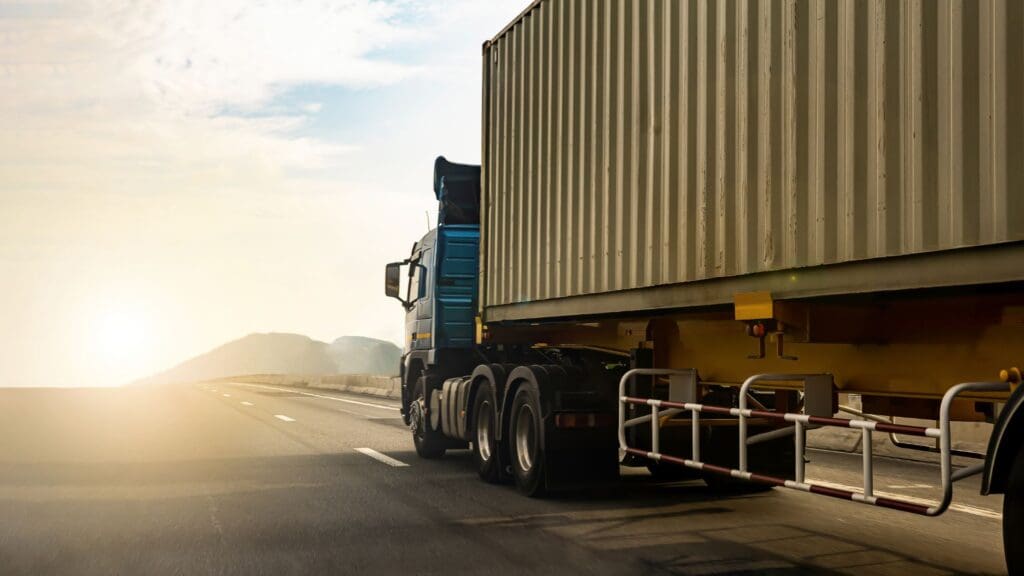
Commercial truck insurance serves as a critical safety net for businesses that rely on transportation. It protects owners from potential financial losses due to accidents, cargo damage, or third-party injuries. With ri insurance and business auto insurance, the right coverage ensures that operations can continue smoothly without overwhelming financial burdens. For more information, contact us.
One key aspect of commercial truck insurance is liability insurance. This type of coverage is essential in protecting a business against claims arising from personal injury or property damage resulting from truck operations. Without sufficient liability insurance, even a single accident can lead to significant financial strain on a trucking business.
Moreover, commercial truck insurance often includes components that align with personal injury protection. Such policies offer benefits to drivers and their passengers, covering medical expenses regardless of fault. This added layer of financial security is crucial for maintaining business operations and ensuring the well-being of all involved.
When considering commercial truck insurance, it is also beneficial to compare it with other types of insurance, like health and home insurance. Each type plays a unique role in providing comprehensive protection. Understanding these differences allows business owners to make informed decisions about their coverage needs, ultimately supporting their company’s success.
Explore Different Types of Coverage Available in Commercial Truck Insurance
Commercial truck insurance encompasses various coverage types essential for protecting businesses and their vehicles. Primary liability insurance addresses legal obligations in the event of injury or damage caused by the truck. Physical damage coverage safeguards the truck’s value, while cargo insurance secures freight during transit. Non-trucking liability protects against incidents outside of scheduled routes, and trailer interchange insurance applies to truck and trailer rentals.
Understanding these policy options is vital for making informed decisions in vehicle insurance management.
Primary Liability Insurance Covers Legal Obligations
Primary liability insurance is a fundamental aspect of any commercial truck insurance policy. This coverage protects truck drivers and their businesses from financial repercussions if they are found legally responsible for an accident resulting in injuries or damages to third parties. By securing this insurance, trucking companies can mitigate the risks associated with road operations, ensuring that they are prepared for unexpected incidents that could jeopardize their financial stability.
In addition to covering damages, primary liability insurance also addresses the liability of cargo transported by the truck. This means that if an accident occurs while the driver is on duty, the insurance may help cover the costs related to cargo damage claims. Understanding these aspects enables truck owners to make informed decisions about their insurance requirements, ultimately enhancing their operational safety and financial security:
| Coverage Type | Definition | Primary Benefits |
|---|---|---|
| Primary Liability Insurance | Covers legal obligations for injuries or damages caused by the truck | Reduces financial risks from accidents, assures legal compliance |
| Cargo Insurance | Protects against loss or damage to cargo while in transit | Ensures compensation for damaged cargo, safeguarding business interests |
| Physical Damage Coverage | Covers repair or replacement costs for the truck itself | Maintains truck value, minimizes the financial impact of accidents |
Physical Damage Coverage Protects Your Truck’s Value
Physical damage coverage is essential for protecting the value of commercial trucks during transport. This type of insurance safeguards against costs associated with repairs or replacements due to accidents, theft, or vandalism. For businesses that deal with dangerous goods, having this coverage is particularly vital, as any damage to the vehicle can disrupt operations and lead to financial setbacks.
By implementing physical damage coverage, trucking companies can enhance their risk management strategies on the road. This coverage not only helps absorb unexpected repair costs but also contributes to the overall uptime of vehicles, allowing businesses to remain competitive. Furthermore, it enables operators to focus on their core functions without the added stress of potential financial burdens related to vehicle loss or damage:
| Coverage Type | Definition | Benefits |
|---|---|---|
| Physical Damage Coverage | Covers repair or replacement costs for the truck itself | Protects vehicle value, reduces financial strain from accidents |
| Primary Liability Insurance | Covers legal obligations for injuries or damages caused by the truck | Minimizes financial risks, ensures legal compliance |
| Cargo Insurance | Protects against loss or damage to cargo while in transit | Ensures compensation for damaged goods, safeguarding business interests |
Cargo Insurance Safeguards Your Freight
Cargo insurance provides crucial protection for businesses transporting goods, ensuring that financial losses from accidents or damage are minimized. Companies that depend on transporting valuable materials find this coverage particularly essential. With the endorsement of the Federal Motor Carrier Safety Administration, this insurance helps secure freight against potential hazards such as theft, damage, or accidents during transit.
In today’s interconnected world, businesses may also explore supplementary options like cyber insurance, safeguarding sensitive information, and transaction data associated with cargo handling. This added layer of protection not only addresses property insurance needs but also reinforces trust with clients. By understanding the nuances of cargo insurance, trucking companies can better shield their operations against unforeseen challenges:
-
Cargo insurance protects against financial losses from accidents or damage.
-
It is endorsed by the Federal Motor Carrier Safety Administration to ensure compliance.
-
Additional coverage like cyber insurance can enhance data protection.
-
Understanding cargo insurance is vital for effective risk management.
Non-Trucking Liability Covers Use Outside of Scheduled Routes
Non-trucking liability insurance is essential for businesses that require coverage for their vehicles during use outside of scheduled routes. This type of insurance can cover incidents such as theft or accidents that occur when a truck is not engaged in its primary function of transporting goods. For example, if a truck is being used for personal errands and is involved in a flood-related accident, non-trucking liability insurance may help mitigate the associated costs.
Trailer Interchange Insurance for Truck and Trailer Rentals
Trailer interchange insurance is essential for businesses that frequently rent or exchange trailers. This type of coverage protects against potential damages and liability associated with rented trailers during towing, helping to safeguard property against loss or damage. For instance, if a dump truck is involved in an accident while towing a rented trailer, this insurance will cover the costs related to the trailer, ensuring that the business remains financially secure amid unforeseen incidents.
When selecting a trailer interchange policy, it is important to consider the specific needs of the business. Companies should assess how often trailers are rented and the potential risks involved, including slip and fall incidents that might occur due to improper loading or unloading. Working with providers like the nationwide mutual insurance company can help business owners find tailored solutions that fit their operational requirements, ultimately enhancing their overall risk management strategy.
Assess the Benefits of Comprehensive and Collision Coverage
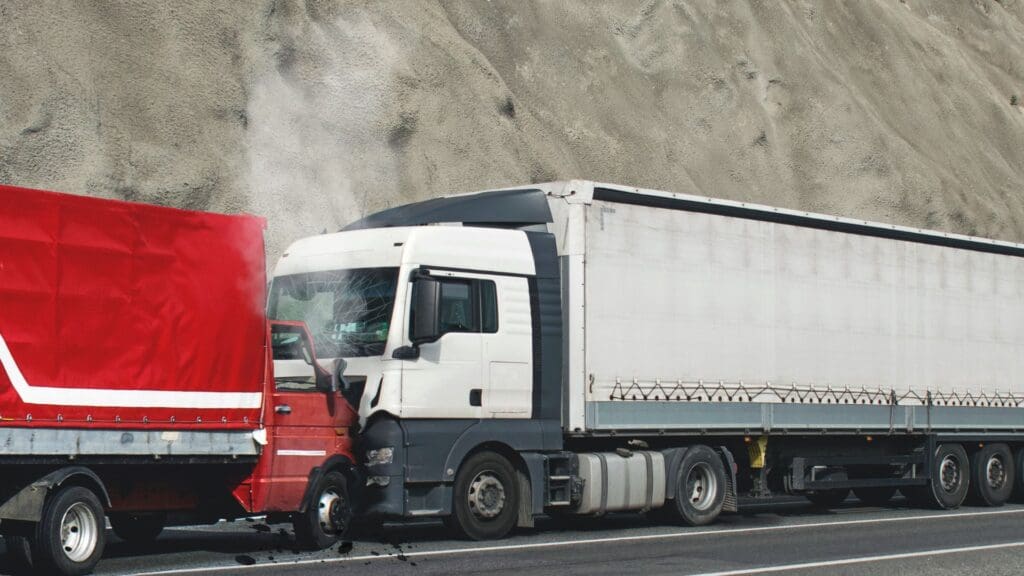
Comprehensive and collision coverage provides critical protection for commercial vehicles, ensuring financial security during unforeseen events. Comprehensive coverage addresses damages from non-collision incidents, such as theft, vandalism, or natural disasters. This type of insurance is essential for companies that invest heavily in their fleet and aim to safeguard their assets while minimizing expenses related to repairs.
Collision coverage focuses on damages resulting from accidents involving other vehicles or objects. For businesses relying on a commercial vehicle, this coverage helps cover repair costs, reducing the financial burden associated with vehicle incidents. Investing in collision coverage is a prudent decision, as it supports overall operational stability and the ability to manage expenses effectively.
Both coverage types play a vital role in risk management and maintaining the performance of a fleet. They ensure that businesses can address damages swiftly, allowing for the continued use of their vehicles without significant disruption. Moreover, having robust coverage can provide peace of mind, knowing that various potential risks have been mitigated, leading to improved health in financial planning.
For businesses managing fuel expenses and other operating costs, comprehensive and collision coverage can be viewed as a necessary investment. By choosing appropriate policies, commercial vehicle owners gain an advantage in managing risks associated with their operations. This strategic approach not only protects assets but also reinforces the company’s commitment to thorough risk management practices:
-
Comprehensive coverage protects against damages not related to accidents.
-
Collision coverage addresses costs from accidents involving other vehicles.
-
Both types enhance overall financial stability and operational efficiency.
-
Investing in these coverages mitigates risks associated with commercial vehicle operations.
Understand Additional Coverage Options for Commercial Trucks
Understanding additional coverage options for commercial trucks is essential for maximizing protection and ensuring business continuity. Uninsured and underinsured motorist options provide vital safeguards against inadequately insured drivers. Medical payment coverage supports drivers and passengers facing health care costs, while personal injury protection covers broader medical expenses for various injuries. Lastly, coverage for specialized equipment protects valuable assets, including flatbed trucks, from unexpected damages, enhancing overall operational resilience.
Uninsured and Underinsured Motorist Options
Uninsured and underinsured motorist options are vital for commercial truck operators aiming to protect their fleet during unforeseen incidents with inadequately insured drivers. This coverage helps ensure that if a trucking business is involved in an accident where the other party is either uninsured or lacks sufficient coverage, the business can still recover losses. Implementing telematics can also enhance the effectiveness of these options by providing data analytics that assist in risk management and improving fleet safety practices.
Understanding the implications of uninsured and underinsured motorist coverage is particularly important for businesses operating under a lease. Those involved in fleet management should consider these options as part of their comprehensive insurance strategy, as they help mitigate financial losses and support continuity of operations. Furthermore, when evaluating benefit packages, trucking companies may find that including term life insurance for their drivers can further strengthen the overall protection strategy, addressing both the vehicle and personnel risk management needs.
Medical Payments Coverage for Drivers and Passengers
Medical payment coverage is a significant component of commercial auto insurance, specifically designed to assist with medical expenses for drivers and passengers injured in an accident involving a box truck. This type of insurance addresses liability by covering immediate medical needs, regardless of fault, and meeting insurance requirements that may arise during an incident. By incorporating this coverage, businesses enhance their risk management strategy, ensuring that employees and individuals transported within the vehicle receive essential care without straining their financial resources.
For fleet operators, having medical payment coverage can alleviate the burden of medical costs associated with accidents, thus promoting a safer work environment. Additionally, this coverage aligns with general liability insurance, providing a comprehensive safety net for operators. In cases where injuries occur, not only is the business protected from escalating costs, but it also strengthens trust with the workforce, reinforcing the commitment to employee welfare and operational stability.
Personal Injury Protection for Broader Medical Expenses
Personal injury protection (PIP) is an invaluable addition to commercial truck insurance, offering substantial benefits regarding broader medical expenses incurred during an accident. This type of insurance coverage addresses medical bills, rehabilitation costs, and, in some cases, lost wages for drivers and passengers, regardless of fault. By integrating PIP into their business insurance plans, trucking companies can mitigate the financial stress of injuries and uphold a safe working environment for all involved.
In selecting insurance companies, businesses need to consider how personal injury protection can affect overall insurance costs. Comprehensive coverage ensures that employees receive prompt medical care while shielding the company from potential liabilities associated with accidents. By understanding the advantages of PIP, operators can navigate their commercial truck insurance options more effectively, establishing a solid foundation for both employee well-being and business continuity:
-
PIP covers medical expenses for drivers and passengers regardless of fault.
-
This coverage can include rehabilitation costs and lost wages.
-
Understanding PIP helps reduce overall business insurance liabilities.
-
Integrating PIP enhances the safety net for drivers and their families.
Coverage for Specialized Equipment
Coverage for specialized equipment is a critical component of trucking insurance that safeguards valuable tools and machinery used in commercial auto operations. This type of coverage ensures protection against damages or losses that can occur during transport, whether due to theft, accident, or other unforeseen events. By including specialized equipment coverage in their insurance policies, businesses can mitigate potential financial losses that directly impact their operations and overall success.
When seeking a truck insurance quote, companies should assess the specific equipment used in their operations to determine adequate coverage. Investing in coverage for specialized equipment can lead to more favorable insurance rates, as it reflects a proactive approach to risk management. As businesses navigate the complexities of commercial trucking, understanding the various components of their insurance needs can lead to better-informed decisions and enhanced operational resilience:
-
Specialized equipment coverage protects machinery used in commercial operations.
-
This coverage helps mitigate financial losses from theft or accidents.
-
Obtaining a truck insurance quote can clarify coverage needs.
-
Comprehensive coverage can lead to lower trucking insurance rates.
Delve Into State and Federal Requirements for Coverage

Compliance with state and federal regulations is essential for businesses in the trucking industry. Each state has specific requirements for motor truck cargo coverage, which must align with federal mandates. Understanding these requirements helps companies choose appropriate insurance policies, such as commercial cargo insurance, to protect their operations effectively.
For larger commercial vehicles, such as semi-trucks, federal guidelines dictate minimum coverage levels. Trucking insurance companies offer options that meet these standards, ensuring businesses remain compliant while protecting their assets. Additionally, operators need to verify that their cargo van insurance policies adhere to local laws to avoid potential fines or penalties.
In certain cases, liability limits may vary based on the type of cargo being transported. Businesses should assess whether they require additional coverage, particularly when dealing with higher-value or hazardous materials. Selecting adequate coverage not only meets legal requirements but also safeguards against significant financial losses related to cargo damage or accidents.
Ultimately, thorough knowledge of state and federal requirements enables trucking companies to make informed coverage decisions. This diligence enhances business operations while supporting compliance with laws governing the transport industry. Ensuring sufficient coverage, such as semi-insurance and commercial cargo insurance, protects not only the vehicle but also the driver and stakeholders involved:
| Policy Type | Requirements | Coverage Offered |
|---|---|---|
| Motor Truck Cargo | Complies with state-specific regulations | Protection for cargo during transit |
| Commercial Cargo Insurance | Fulfills federal coverage mandates | Secures valuable goods against loss or damage |
| Semi Insurance | Meets minimum coverage levels set by federal laws | Liability protection for large commercial vehicles |
Determine How to Choose the Right Coverage for Your Business Needs
Selecting the right commercial insurance for cargo vans begins with an assessment of the specific needs of the business. Understanding the type of cargo transported and the operational risks involved will help determine which coverage types are essential for effective risk management.
Evaluating cargo van insurance costs is crucial for budget planning. Companies should compare premiums from various providers to ensure they receive quality coverage that fits within their financial constraints while still providing adequate protection for their operations.
For businesses using larger vehicles, examining tractor-trailer insurance options is vital. Ensuring that the coverage meets regulatory requirements and sufficiently protects against potential losses can drive operational stability and compliance with industry standards.
When seeking cost-effective options, researching cheap trucking insurance can yield beneficial solutions. Obtaining semi-insurance quotes from multiple sources enables business owners to find competitive rates while ensuring that coverage is comprehensive and tailored to their unique needs.
Frequently Asked Questions About Commercial Truck Insurance Coverage Types

Many individuals ask about the best trucking insurance companies to consider when selecting coverage. It is advisable for truckers to research and compare providers based on coverage options, customer service, and pricing to find the most suitable policy that meets their needs.
Truckers’ general liability coverage is a common concern for many operators. This insurance protects against claims related to property damage or personal injury caused by trucking activities, offering essential financial security in case of accidents.
Some truck owners inquire about marine insurance as it relates to transporting cargo. Marine insurance generally covers goods transported over water; however, it may not always apply to trucking operations, so understanding the difference is crucial for ensuring adequate coverage.
Operators often wonder about coverage for their tractors. Ensuring that the tractor is adequately covered under a commercial truck insurance policy, including collision and comprehensive coverage, is vital for protecting the vehicle and maintaining operational continuity:
| Insurance Query | Core Concerns | Recommendations |
|---|---|---|
| Best Trucking Insurance Companies | How to select the right provider | Research and compare options carefully |
| Truckers General Liability | Importance of liability protection | Acquire coverage to mitigate financial risks |
| Marine Insurance | Applicability to trucking operations | Evaluate whether it’s necessary for cargo transportation |
| Coverage for Tractor | Ensuring adequate vehicle protection | Include collision and comprehensive coverage in the policy |
Frequently Asked Questions
What is the importance of commercial truck insurance for businesses?
Commercial truck insurance is essential for businesses as it protects assets, mitigates financial risk, and ensures compliance with regulations. It safeguards against liability claims, damages, and vehicle repairs, ultimately supporting business continuity and operational stability.
What are the different types of commercial truck insurance coverage available?
Commercial truck insurance includes various coverage options such as liability, physical damage, cargo, and uninsured/underinsured motorist coverage, ensuring businesses protect their vehicles, cargo, and drivers from potential financial losses.
How do comprehensive and collision coverage benefit truck operators?
Comprehensive and collision coverage protects truck operators from significant financial losses due to accidents, theft, or vandalism. These insurance types ensure recovery costs for vehicle repairs and replacements, promoting business continuity and reducing potential liabilities on the road.
What additional coverage options are available for commercial trucks?
Commercial trucks can benefit from various coverage options, including
-
liability insurance
-
cargo insurance
-
physical damage coverage
-
non-owned trailer coverage
-
owner-operator liability
-
business interruption insurance
to protect against specific risks.
What are the state and federal requirements for commercial truck insurance?
State and federal requirements for commercial truck insurance include liability coverage, cargo insurance, and physical damage protection. Regulations vary by state, but federal standards mandate a minimum liability coverage, ensuring adequate protection for roadway incidents.
Conclusion
Understanding commercial truck insurance coverage types is essential for businesses that rely on transportation. This knowledge not only protects against financial losses due to accidents and damages but also ensures compliance with state and federal regulations. By exploring various coverage options, such as liability, cargo, and specialized equipment insurance, businesses can make informed decisions that enhance their operational resilience. Ultimately, investing in the right insurance policy safeguards assets while promoting continuity and stability within the industry.