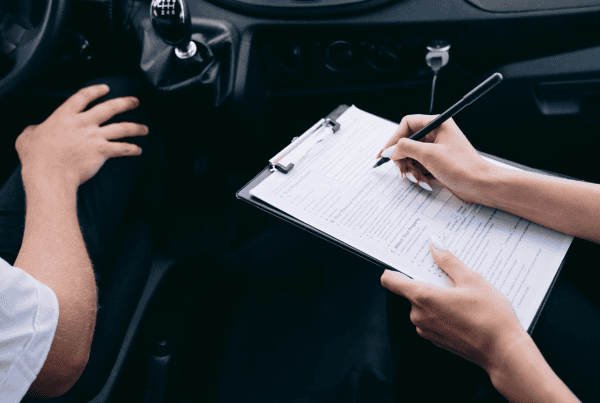

Picture this: you’re finally behind the wheel of your dream car, the open road beckoning. But a nagging question lingers: “Do I have the right car insurance coverage, and have I chosen the best car insurance company to protect me and my vehicle against the unexpected? With so many automobile insurance providers out there, how do I ensure I’m not overpaying or, worse, underinsured?” You’re right to be concerned. Selecting the appropriate car insurance from a reliable car insurance company is paramount for your financial well-being and peace of mind on the road. Let’s navigate the world of automobile insurance together.
The Essentials: Decoding Car Insurance Coverage Types
Before we delve into choosing a car insurance company, it’s crucial to understand the different types of coverage available. The specific requirements and your individual needs will determine the right combination for you.
1. Liability Coverage: This is often the minimum coverage required by law. It helps pay for damages and injuries you cause to others in an accident where you are at fault. It typically includes:
-
Bodily Injury Liability: Covers medical expenses, lost wages, and pain and suffering of those injured in an accident you caused.
-
Property Damage Liability: Covers the cost of repairing or replacing property you damaged in an accident, such as another vehicle or a fence.
2. Uninsured/Underinsured Motorist Coverage: This vital coverage protects you if you are injured in an accident caused by a driver who has no insurance or insufficient insurance to cover your damages. It can include:
-
Uninsured Motorist Bodily Injury (UMBI): Pays for your medical expenses, lost wages, and pain and suffering caused by an uninsured driver.
-
Underinsured Motorist Bodily Injury (UIMBI): Steps in when the at-fault driver’s insurance limits are too low to cover your total damages.
-
Uninsured/Underinsured Motorist Property Damage (UMPD/UIMPD): Covers damage to your vehicle caused by an uninsured or underinsured driver (this may not be available in all states).
3. Collision Coverage: This coverage pays for damage to your vehicle resulting from a collision with another vehicle or object, regardless of who was at fault. It typically has a deductible, which is the amount you pay out-of-pocket before the insurance company pays the rest.
4. Comprehensive Coverage (Other Than Collision): This protects your vehicle against damage from events other than collisions, such as theft, vandalism, fire, natural disasters (hail, wind, flood), and hitting an animal. It also usually has a deductible.
5. Personal Injury Protection (PIP) / No-Fault Insurance: In some states, PIP or no-fault insurance is required. It covers your medical expenses and lost wages (and sometimes those of your passengers) regardless of who was at fault in an accident.
6. Medical Payments Coverage (MedPay): This coverage helps pay for medical expenses for you and your passengers injured in a car accident, regardless of fault. It often has lower limits than PIP.
Choosing the Right Car Insurance Company: Key Considerations
Selecting the right car insurance company is just as important as choosing the right coverage. Here’s what to look for:
-
Financial Stability: Opt for an automobile insurance provider with a strong financial rating from reputable agencies. This indicates their ability to pay out claims reliably.
Agency Rating Range Interpretation A.M. Best A++ to A- Superior to Excellent Financial Strength S&P AA+ to AA- Very Strong Financial Security Characteristics Moody’s Aaa to A3 Excellent to Good Financial Strength Fitch AAA to A- Exceptionally Strong to Strong Financial Profile -
Reputation and Customer Service: Research the car insurance company’s reputation for customer service and claims handling. Online reviews, consumer reports, and feedback from your insurance broker can provide valuable insights. A company with a history of efficient and fair claims processing is crucial.
-
Coverage Options and Flexibility: Ensure the car insurance company offers the specific coverage types and limits you need. Some companies may offer more flexible policy options or additional endorsements (optional coverages) that could be beneficial.
-
Pricing and Discounts: Compare quotes from multiple car insurance companies for the same coverage levels. Inquire about potential discounts, such as those for safe driving records, multiple vehicles, anti-theft devices, good student status, or bundling with other insurance policies (like homeowners).
-
Ease of Claims Process: Understand the car insurance company’s claims process. Is it easy to file a claim online, over the phone, or through a mobile app? A streamlined and efficient claims process can make a stressful situation much easier to navigate.
-
Digital Tools and Accessibility: Consider the car insurance company’s online portal and mobile app. Do they offer convenient features like online policy management, bill payment, and claims tracking? Easy access to your policy information can be a significant advantage.
Working with an Insurance Broker for Car Insurance
Just like with other types of insurance, partnering with an insurance broker can simplify the process of finding the right car insurance and the ideal car insurance company. We can:
-
Provide Multiple Quotes: We can gather quotes from several different car insurance companies, saving you the time and effort of contacting each one individually.
-
Explain Coverage Options Clearly: We can explain the different types of automobile insurance coverage in plain language, helping you understand what each protects and why it might be important for your situation.
-
Identify Discounts: We are familiar with the various discounts offered by different car insurance companies and can help you identify those you may be eligible for.
-
Offer Unbiased Advice: As independent professionals, we are not tied to any specific car insurance company and will provide recommendations based on your best interests.
-
Assist with Claims: If you need to file a car insurance claim, we can guide you through the process and act as your advocate with the car insurance company.
Tips from an Industry Expert for Your Car Insurance:
-
Review your policy regularly: Your insurance needs may change over time. Review your car insurance policy at least once a year or when you experience significant life changes (e.g., buying a new car, moving, adding a driver).
-
Understand your deductibles: Know how much you would have to pay out-of-pocket in the event of a claim. A higher deductible usually means a lower premium, but ensure you can comfortably afford it.
-
Consider your driving habits and vehicle: If you drive a high-value vehicle or have a long commute, you may need higher coverage limits.
-
Maintain a good driving record: Safe driving habits can lead to significant discounts on your car insurance premiums.
-
Bundle your insurance: As mentioned earlier, bundling your car insurance with other policies (like homeowners or renters) with the same automobile insurance company can often result in substantial savings.
-
Inquire about usage-based insurance: Some car insurance companies offer programs that track your driving habits (e.g., mileage, speed, braking) and offer discounts to safe drivers.
Conclusion
Choosing the right car insurance and a reputable car insurance company is a crucial step in protecting yourself, your vehicle, and your financial future. By understanding the different coverage options, knowing what to look for in an insurer, and leveraging the expertise of an insurance broker, you can drive with confidence knowing you have the right protection in place. Don’t leave your automobile insurance to chance. Take the time to make informed decisions and remember that we are here to guide you every step of the way. At Brook Insurance Associates LLC, we can help you compare quotes from various reputable car insurance companies to find the best combination of coverage and price for your needs.
FAQs
Q1: What is the most basic car insurance coverage I need?
The most basic car insurance coverage typically required by law is liability coverage. This includes Bodily Injury Liability, which helps pay for injuries you cause to others in an accident, and Property Damage Liability, which covers damage you cause to someone else’s property. However, the minimum requirements may not be sufficient to fully protect you financially.
Q2: What does comprehensive car insurance coverage protect against?
Comprehensive car insurance coverage (also known as “other than collision”) protects your vehicle against damage from events other than collisions. This includes incidents like theft, vandalism, fire, natural disasters (such as hail or floods), and damage caused by hitting an animal.
Q3: How can I potentially lower my car insurance premiums?
There are several ways you might be able to lower your car insurance premiums. These include maintaining a good driving record, increasing your deductible, bundling your car insurance with other policies from the same car insurance company, taking advantage of available discounts (e.g., for safe driving courses, anti-theft devices), and reviewing your coverage limits to ensure they align with your current needs.
Q4: What should I do if I get into a car accident?
If you get into a car insurance accident, your first priority is to ensure the safety of everyone involved and call for medical assistance if needed. Then, exchange information with the other 1 driver(s) (name, address, insurance details, vehicle information), document the scene with photos if possible, and contact your car insurance company or your insurance broker as soon as it’s safe to do so to report the incident and begin the claims process.
Q5: Why is it important to choose a financially stable car insurance company?
A: Choosing a financially stable car insurance company is crucial because it indicates the insurer’s ability to meet its financial obligations, including paying out claims. A company with a strong financial rating is more likely to be able to fulfill its promises when you need them most, providing you with greater peace of mind.