
Business owner insurance safeguards your business from unexpected financial losses. A Business Owner’s Policy (BOP) is a cost-effective way to get comprehensive coverage, including property damage and liability protection. This guide will explain what a BOP entails and how it can benefit your business.
Key Takeaways
-
Business Owner’s Insurance (BOP) combines essential property and liability coverage, safeguarding small businesses from financial losses due to risks like customer injuries, theft, and property damage.
-
Key components of a BOP include general liability insurance, commercial property insurance, and business income coverage, providing comprehensive protection for various business needs.
-
Regularly reviewing and customizing a BOP with the help of experienced insurance agents ensures that coverage aligns with evolving business risks and operational changes.
Understanding Business Owner Insurance

Business owners insurance is designed to protect against a wide range of risks by combining property and liability insurance into a single, comprehensive policy. A Business Owner’s Policy (BOP) is particularly beneficial for small business owners, as it includes most of the business insurance coverage they typically need, including business owner’s policy insurance. This type of insurance protects against incidents such as customer injuries, contractor damage, equipment flooding, and fire destruction.
Without proper coverage, businesses are vulnerable to significant financial losses from events like fires, extreme weather, and theft, which could potentially put them out of operation. A bodily injury or property damage claim can average tens of thousands of dollars. In some cases, the costs can exceed that amount. These risks underscore the importance of having a robust insurance plan in place.
Local agents play a crucial role in helping business owners create a coverage plan that fits their specific needs and budget. Experienced agents help business owners secure the appropriate insurance coverage to protect their operations and assets.
Key Components of a Business Owner’s Policy (BOP)
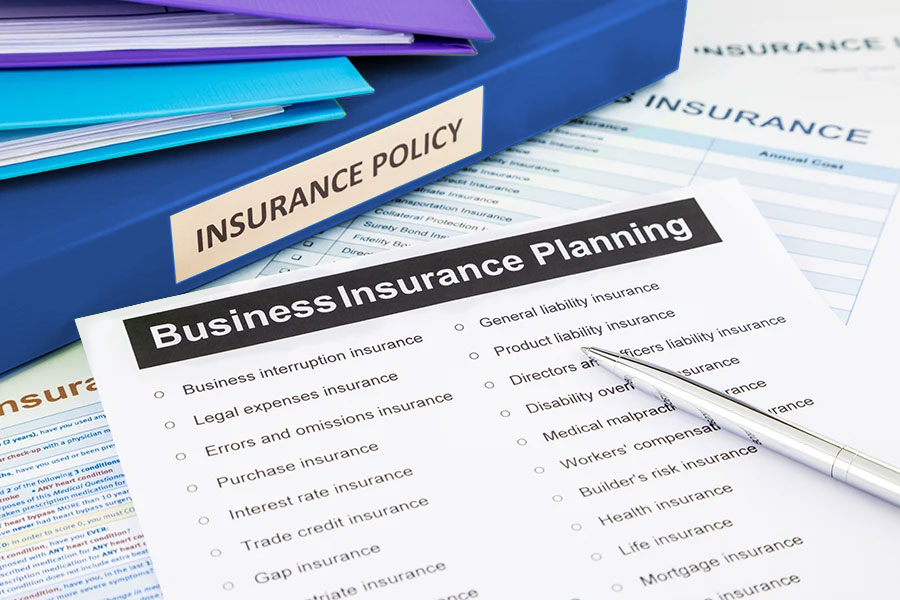
A Business Owner’s Policy (BOP) consolidates essential coverages for small businesses, including liability and property insurance. This policy protects against liability claims, property damage, and financial losses from unexpected business shutdowns. The core protections typically included in a BOP are general liability insurance, commercial property insurance, and business income coverage.
In addition to these primary coverages, a BOP can include additional coverages at no extra charge, such as equipment breakdown, loss of income, and money and securities protection.
The following subsections will delve into the details of each key component of a BOP.
General Liability Insurance
General liability insurance is an essential part of a Business Owner’s Policy (BOP) that protects businesses from a range of legal claims. It covers liability lawsuits arising from customer injuries, property damage, and legal claims related to advertising. This coverage also includes legal defense costs and medical bills for customer injuries that occur on your business premises.
The liability portion of a BOP is critical for covering legal claims such as accidents or damage caused by the business. Without this insurance, businesses could face substantial out-of-pocket expenses to settle these claims, making general liability insurance a cornerstone of a comprehensive business protection strategy.
Commercial Property Insurance
Commercial property insurance protects business property owned, leased, or rented, including buildings, equipment, furniture, and inventory. This component of a BOP covers physical assets like buildings, equipment, and inventory against various risks such as theft and fire. Safeguarding both owned and rented business properties is crucial.
Locations that can benefit from commercial property insurance include leased or owned offices, retail storefronts, garages, and homes. One significant benefit of having a BOP is that it helps repair or replace damaged business buildings or personal property, ensuring business continuity.
Business Income Coverage
Business income coverage compensates for lost revenue and operational costs during times when business operations are interrupted due to covered losses. This coverage helps replace lost revenue during periods when business operations are halted due to property damage. This coverage can also address extra costs incurred during equipment repairs.
Additionally, BOPs can include coverage for business income loss during periods of repair after a covered incident. This ensures that businesses can continue to meet financial obligations, such as paying rent and employee salaries, even when parts of the operation are shut down.
Additional Coverages to Consider
Including optional coverages can enhance protection for businesses beyond what a standard BOP offers. Optional coverages that can enhance a BOP include data breach insurance and business income protection for off-premises utility failures. These additional coverages can be tailored to meet specific business needs through endorsements.
Insurance agents can help identify specific endorsements that enhance coverage for business assets. Independent insurance agents assist business owners in navigating complex policies and finding tailored solutions for full protection, including commercial auto insurance.
Professional Liability Insurance
Liability risks from professional services, advice, or recommendations can be covered by professional liability insurance. BOP insurance helps professional services manage risks associated with negligence claims and professional liability, providing peace of mind for businesses offering professional advice.
Cyber Liability Insurance
Cyber liability insurance addresses costs related to data breaches, including expenses for notifying affected parties and legal fees. In the digital age, businesses are increasingly vulnerable to cyberattacks, making this coverage essential for managing risks associated with data breaches and cyberattacks.
This type of insurance can cover damages from data breaches, including the costs of notifying affected individuals and legal expenses resulting from cyberattacks. Including cyber liability insurance in a BOP helps businesses safeguard against the financial fallout of cyber incidents.
Equipment Breakdown Insurance
Equipment breakdown insurance provides coverage for unexpected failures in essential business equipment. This coverage is designed to cover the repair or replacement of damaged business equipment, ensuring that businesses can quickly resume operations without significant financial strain.
Who Needs Business Owner Insurance?

BOP insurance is essential for small to medium-sized businesses to protect against various risks. Businesses that are suited for a BOP often include retail stores, restaurants, professional offices, and construction contractors. These policies offer comprehensive coverage that is crucial for maintaining business continuity and financial stability.
Small businesses, including contractors, restaurants, and retailers, benefit significantly from a business owner’s policy (BOP). The following subsections will provide specific examples of businesses that need BOP insurance.
Retail Businesses
General liability insurance is crucial for retail businesses as it protects them from legal claims related to injuries and damages that may occur on their premises.
Retail businesses can benefit significantly from BOP insurance, which provides essential coverage for customer injuries and property damage claims.
Professional Services
Businesses that provide professional services, like accounting or consulting firms, rely on BOP insurance to shield against lawsuits and errors. Business owners should analyze operational hazards, including employee safety and financial vulnerabilities, to identify necessary coverage.
Contractors
Contractors can utilize BOP insurance to cover their tools, equipment, and liabilities that arise on job sites. BOP insurance provides liability protection for contractors in case of accidents occurring during their work.
How to Customize Your Business Owner’s Policy
A Business Owners Policy (BOP) can be tailored to fit specific business requirements. Customizing a BOP allows for better coverage tailored to unique needs. Business owners should regularly review their policies to ensure they align with their current operations and assets. Consistent policy reviews ensure it meets current business needs and changes.
The following subsections will detail the steps to customize a BOP effectively.
Assessing Your Risks
Business owners should identify potential liabilities specific to their industry to determine appropriate coverage. Providing detailed business information when requesting quotes helps insurers offer accurate estimates.
Regularly assess business operations to ensure your policy aligns with current needs.
Working with an Insurance Agent
Agents recognize the distinct requirements of small business owners. They are skilled in addressing these specific needs. Consulting with an agent helps ensure that coverage options are effectively customized to fit specific business requirements.
Consulting an insurance agent can enhance your business protection.
Re-evaluating Annually
Annual BOP reviews help businesses adjust coverage to reflect growth and changes in risk exposure. Re-evaluating insurance coverage annually helps maintain its relevance. This ensures coverage remains adequate amid changing market conditions and operational shifts.
The Cost of Business Owner Insurance
The pricing of business owner’s insurance is influenced by factors such as the type of business, property value, and ownership details. Gathering quotes from multiple insurers is crucial for comparing options and ensuring fair pricing. Understanding these cost factors helps business owners make informed decisions about their insurance needs.
The following subsections will delve into the specific factors influencing BOP cost and the process of getting a quote.
Factors Influencing BOP Cost
Factors impacting the cost of BOP insurance include the business location, industry, policy limits, deductible, and number of employees. The size of a business significantly impacts the rates for business owner insurance. The type of business and its operational risks can affect the cost of BOP insurance. Businesses located in high-crime areas or regions prone to severe weather often face higher insurance premiums.
A business’s claims history can lead to variations in their insurance premiums. Understanding these factors helps business owners anticipate and manage their insurance costs effectively.
Getting a Quote
It’s beneficial to gather multiple quotes to ensure competitive pricing and optimal coverage. Comparing quotes allows business owners to find insurance that meets their specific needs and budget.
Managing Your Business Owner’s Policy
Managing your Business Owner’s Policy (BOP) is essential as your business evolves. Access your policy online or call your insurance provider to make updates. Regular management and updates to your policy ensure adequate business protection against risks.
The following subsections will cover updating coverage and handling claims.
Updating Coverage
Business owners should notify their insurance provider of any changes in activities or asset values to adjust coverage. Keeping your coverage up-to-date ensures that you are adequately protected against risks associated with your current business operations and assets.
Handling Claims
The first step in filing a claim is to promptly inform the insurance provider about the incident that occurred. Claims may be investigated by the insurer to verify the details and determine coverage eligibility.
If a claim is denied, the business owner can contest the decision by providing additional evidence to the insurer.
Summary
Business owner insurance is a vital safeguard for small to medium-sized businesses, offering comprehensive protection against a wide array of risks. Understanding the key components of a Business Owner’s Policy (BOP), such as general liability, commercial property, and business income coverage, is essential. By considering additional coverages like professional liability, cyber liability, and equipment breakdown insurance, business owners can further tailor their policies to meet specific needs. Regularly customizing, managing, and re-evaluating your BOP ensures that your business stays protected as it grows and evolves. Take proactive steps to secure the right insurance today and safeguard your business’s future.
Get a Quote Today
Protect your business with the right coverage that fits your needs. Reach out to Brooke Insurance Associates LLC for a personalized quote on a Business Owner’s Policy (BOP). Our friendly and knowledgeable agents are here to guide you through the process and help you find the perfect insurance solutions to safeguard your business. Contact us today and let’s make sure your business is well-protected for whatever comes your way.
Frequently Asked Questions
What is a Business Owner’s Policy (BOP)?
A Business Owner’s Policy (BOP) is a comprehensive insurance package that provides small to medium-sized businesses with protection by combining general liability, commercial property, and business income coverage. This policy is designed to safeguard against various risks faced by businesses.
Why do small businesses need general liability insurance?
Small businesses need general liability insurance to safeguard against potential legal claims related to customer injuries, property damage, and advertising issues, ensuring coverage for legal defense costs and medical expenses. This protection is essential for financial stability and risk management.
How can business income coverage help during a business interruption?
Business income coverage is essential during a business interruption, as it compensates for lost revenue and operational costs, enabling businesses to meet financial obligations such as rent and employee salaries. This support helps maintain stability amid unforeseen challenges.
What factors influence the cost of a Business Owner’s Policy (BOP)?
The cost of a Business Owner’s Policy (BOP) is primarily influenced by factors including business location, industry type, policy limits, deductible amounts, the number of employees, and the business’s claims history. Understanding these elements can help you manage insurance expenses effectively.
How often should I review my Business Owner’s Policy (BOP)?
You should review your Business Owner’s Policy (BOP) annually to ensure coverage remains aligned with your current business needs and any changes in operations or asset values.