
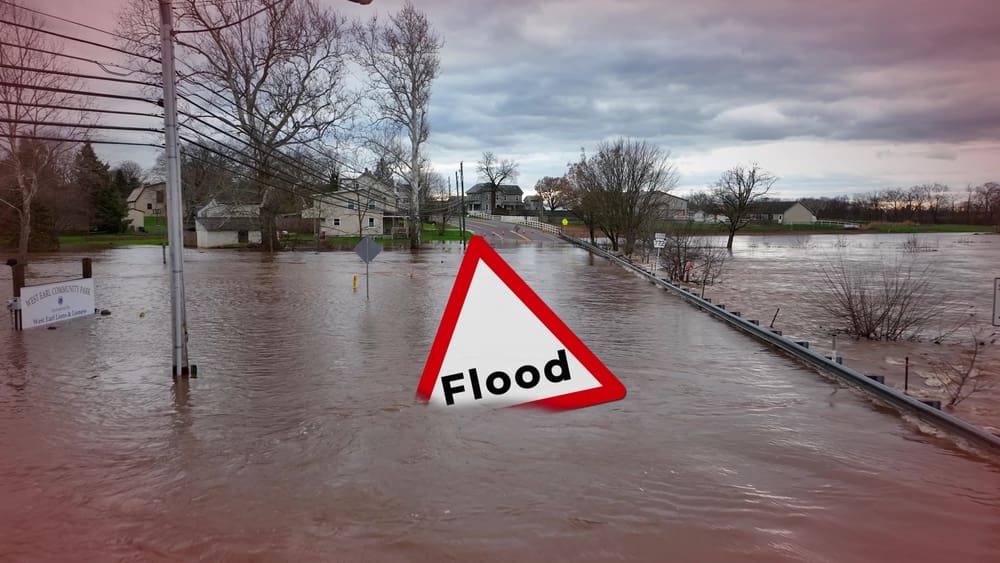
Flood insurance coverage protects your home and belongings from flood damage, which standard homeowners insurance, like home or auto insurance, does not cover. For homeowners in Rhode Island, understanding this coverage is essential due to the state’s high flood risk. This guide will explain what flood insurance covers, the types of policies available, and why having flood insurance is crucial for safeguarding your property.
Key Takeaways
-
Flood insurance is essential for homeowners in Rhode Island as standard homeowners insurance typically excludes flood-related damages, leaving properties vulnerable.
-
Common mistakes include not purchasing flood insurance if outside high-risk zones, misunderstanding the 30-day waiting period for coverage, and failing to maintain an accurate inventory for claims.
Understanding Flood Insurance

Flood insurance is a specialized type of insurance designed to flood insurance cover losses directly caused by flooding. Unlike standard homeowners insurance, which typically does not cover flood damage, a flood insurance policy is a separate policy that specifically addresses the risks associated with excess water invading your home. Distinguishing between these policies is important since most homeowners insurance excludes flood-related damages, leaving property owners vulnerable.
In Rhode Island, the necessity of flood insurance becomes even more evident. The state’s unique geography, with its extensive coastline and numerous rivers, means that homes are at a higher risk of flooding from heavy rains, storm surges, and even melting snow. Given the increased flood risk, homeowners should consider purchasing flood insurance to protect their investments and avoid financial ruin from unexpected floods.
Who Can Buy Flood Insurance?
Flood insurance is available to anyone looking to protect their home, business, or personal belongings from flood damage. While it is particularly crucial for homes in high-risk flood areas, especially those with federally-backed mortgages, it is not limited to these properties. To be eligible for flood insurance, your community must participate in the National Flood Insurance Program (NFIP). You can verify your community’s participation by visiting the Flood Map Service Center or consulting with your insurance agent. This program, managed by the federal government, ensures that homeowners in participating areas can access affordable flood insurance to cover potential flood damage.
What’s Covered by Flood Insurance?

Flood insurance typically covers damage to your home and personal belongings caused by flooding. This means that flood insurance can cover damage from various sources, including overflowing rivers, lakes, and bays, as well as storm surges and heavy downpours. It also extends to damage caused by mudflows and melting snow.
Flood insurance policies generally include two types of coverage: building coverage and contents coverage. Building coverage is designed to protect the structure of your home, including essential systems like electrical and plumbing, water heaters, furnaces, and foundation walls. On the other hand, content coverage focuses on your personal belongings, such as furniture, electronics, and clothing.
It’s important to note that flood insurance does not cover damage resulting from maintenance-related issues, such as a leaky roof or a burst pipe. Additionally, it does not cover damage to outdoor structures like decks, patios, and swimming pools. Understanding these exclusions is crucial for setting realistic expectations about what your flood insurance policy will cover.
Flood Insurance Policies Available
Private flood insurance options are increasingly becoming popular. These policies are offered by private insurance companies and can sometimes provide higher coverage limits and more flexible terms. Private flood insurance can be a good option for homeowners seeking more comprehensive coverage or those whose properties are valued. However, private policies might come at a higher premium, reflecting the increased coverage and flexibility they offer.
Deciding between an NFIP policy and private flood insurance will depend on your unique needs and circumstances. While NFIP policies are a reliable option for many, private insurance can offer enhanced protection for those willing to invest in higher premiums. Consulting with an experienced insurance agent can help you navigate these choices and determine the best fit for your situation.
Building Coverage
Building coverage is a critical component of flood insurance, designed to protect the structural integrity of your home. This type of coverage includes damage to the foundation, walls, roof, and essential systems like electrical and plumbing. Additionally, it covers built-in appliances such as dishwashers and refrigerators, as well as permanently installed carpets and flooring.
Contents Coverage
Contents coverage is another vital aspect of flood insurance, focusing on protecting your personal belongings. This includes items such as furniture, clothing, and electronics. Unlike building coverage, content coverage is typically purchased separately. It is based on the actual cash value of your belongings, meaning the insurance company will compensate you for the depreciated value of your items. Having content coverage ensures that your personal possessions are protected, providing peace of mind in the event of a flood.
Coverage Included in Standard Flood Insurance Policies

Knowing what standard flood insurance policies cover ensures you are adequately protected. Generally, flood insurance policies cover two main categories: building property and personal property. Each category encompasses a variety of items and aspects of your home, ensuring comprehensive coverage in the event of a flood.
What Flood Insurance Does Not Cover
Basement Coverage Limitations
Another critical exclusion is the coverage for items stored in basements. Typically, only essential systems are covered, such as:
-
Electrical systems
-
Plumbing systems
-
HVAC systems
Limits of Federal Flood Insurance Policies
Federal flood insurance policies come with additional limitations. These include:
-
Living expenses: Temporary housing is not covered.
-
Business interruption: Loss of income due to business closure is excluded.
Maximum Coverage Limits and the Need for Supplemental Insurance
Federal flood insurance policies also have maximum coverage limits, which may not be sufficient for high-value properties. Homeowners with more valuable homes may need to:
-
Consider supplemental policies
-
Explore private flood insurance to bridge the coverage gaps
Buying and Maintaining Flood Insurance
To buy flood insurance, start by contacting your insurance agent or company to determine if your community participates in the NFIP.
When purchasing flood insurance, it’s essential to choose the right coverage limits for both your home and personal belongings. Your insurance agent can assist you in determining the appropriate coverage based on the value of your property and possessions. This ensures that you are adequately protected in the event of a flood.
Maintaining your flood insurance policy is equally important. Regularly review your policy to ensure it still meets your needs, especially if you make significant changes to your home or acquire new valuable items. Keeping your policy up-to-date helps ensure you have the necessary coverage when you need it most.
Flood Insurance Costs and Requirements

The cost of flood insurance can vary widely based on several factors, including your property’s flood risk, the amount of coverage you select, and the type of coverage you need. The average flood insurance costs vary, but premiums can range from a few hundred to several thousand dollars annually. When you purchase flood insurance, there is typically a 30-day waiting period before the policy becomes active, although exceptions exist, such as when buying a policy in conjunction with a mortgage.
It’s important to note that flood insurance is not just for homes in high-risk flood areas. Anyone can purchase flood insurance, regardless of their risk level. Additionally, standard homeowners or auto insurance policies do not cover flood damage, making it essential to buy a separate flood insurance policy to protect your home and belongings. Shopping around and comparing rates and coverage options from different insurance providers can help you find the best policy to meet your needs.
Working with the Federal Emergency Management Agency (FEMA)
The Federal Emergency Management Agency (FEMA) plays a crucial role. FEMA collaborates with communities to adopt and enforce floodplain management regulations, which help mitigate the risk of flooding.
If you need to file a claim for flood damage, you will work with both your insurance company and FEMA. After reporting the loss, FEMA will send an adjuster to assess the damage and determine the amount of your claim. This process ensures that you receive the financial support needed to recover from flood damage.
In addition to insurance claims, FEMA provides disaster assistance to individuals and communities affected by flooding. If a federal disaster declaration is issued, you can apply for disaster assistance through FEMA, regardless of whether you have flood insurance. This assistance can be a vital resource in the aftermath of a flood.
How to File a Flood Insurance Claim
Filing a flood insurance claim can be a daunting process, especially in the aftermath of a flood when emotions and stress levels are high. Being aware of the necessary steps can streamline the process and help you recover more quickly.
The first step after a flood event is to ensure your safety and that of your family. Once it is safe to return to your property, document the damage by taking photographs and making a detailed inventory of all affected items. Such documentation is vital for supporting your disaster assistance claim.
Next, contact your insurance agent or company to report the loss. An adjuster will be assigned to your case to assess the damage and help you through the claims process. Be prepared to provide all necessary documentation, including receipts for damaged items and any other evidence of loss. Keeping organized and regularly following up with your insurance company can expedite the claims process and speed up your recovery.
Common Mistakes Homeowners Make
Many homeowners make critical mistakes regarding flood insurance, leaving them vulnerable. One common mistake is not purchasing flood insurance if they live outside high-risk flood zones. Flooding can occur anywhere, putting properties outside high-risk zones at risk as well.
Another common error is misinterpreting the waiting period before coverage becomes active. Most flood insurance policies have a 30-day waiting period from the date of purchase before they go into effect. Thus, waiting until a flood is imminent to purchase insurance is too late.
Lastly, failing to maintain an accurate inventory of personal property can complicate the claims process. Keeping a detailed and updated inventory, complete with photographs and receipts, can significantly ease the process of filing a claim and ensure you receive the appropriate compensation for your losses.
Get Your Flood Insurance Through Brook Insurance Associates, LLC
Brook Insurance Associates, LLC, recognizes the unique challenges homeowners in Rhode Island face with flood risks. Our team of experienced insurance agents is committed to helping you navigate the complexities of flood insurance, ensuring you get the coverage that best suits your needs.
Don’t wait until it’s too late. Contact Brook Insurance Associates, LLC today to purchase flood insurance and protect your home from potential flood damage. Our personalized service and local expertise make us the go-to insurance provider for Rhode Island homeowners.
Summary
Flood insurance is an essential safeguard for Rhode Island homeowners, providing much-needed protection against the financial devastation that floods can cause. Understanding the types of policies available, what they cover, and their limitations is crucial for making an informed decision about your insurance needs.
By avoiding common mistakes and working with knowledgeable insurance agents like those at Brook Insurance Associates, LLC, you can ensure your home and belongings are well-protected. Take action today to secure your flood insurance and protect your future.
Frequently Asked Questions
Does my standard homeowners insurance cover flood damage?
Standard homeowners insurance policies typically do not cover flood damage; a separate flood insurance policy is necessary for such protection.
What are the main types of flood insurance policies available?
The main types of flood insurance policies available are those offered by the National Flood Insurance Program (NFIP) and private flood insurance options from private insurers. Both provide coverage, but their terms and availability may differ significantly.
What is typically excluded from standard flood insurance policies?
Standard flood insurance policies typically exclude damage to property outside the insured building, moisture and mold damage that could have been prevented, and personal items in basements, with the exception of essential systems.
How long is the waiting period before flood insurance coverage becomes active?
The waiting period for flood insurance coverage to become active is typically 30 days from the date of purchase.